
Concrete Walkway Installation in Austin, TX
Tree Roots and Rocky Soil Are Hard on a Walkway
Austin has a lot going for it, but a narrow strip of concrete has to deal with two things a lot of other cities don't throw at it quite so hard. One is the mature live oak trees that show up in so many older neighborhoods, with roots that can lift a walkway right out of the ground over time. The other is the mix of limestone and clay under the soil, which shifts and settles differently depending on which part of your property you're standing on.
A walkway is narrower and thinner than a driveway or patio, so it has less mass to resist that kind of movement. That's part of why so many Austin homes end up with a front walk that's cracked, tilted, or has a lip somewhere that catches your foot in the dark. PaveTec builds walkways around those specific conditions, planning the base and layout so the path stays flat instead of becoming something you have to watch your step on.
What Most Walkway Projects Actually Look Like
The calls we get usually fall into a few buckets. Sometimes it's a front entry walk that's finally cracked or heaved enough that patching it doesn't make sense anymore. Sometimes it's a brand new path needed to connect a driveway to a side yard, or a back door to a patio that was added later. And sometimes it's a garden path through a landscaped yard, where the goal is more about tying different areas together than solving a problem.
Whatever the reason, the walkway should feel like it was always supposed to be there, wide enough and flat enough that nobody thinks twice about using it.
Finish Options
Broom finish is the standard and most budget friendly choice. It holds up well and offers solid grip, which matters on a narrow path more than almost anywhere else, especially after a storm.
Stamped concrete can give a front entry walk a more polished look, mimicking stone or brick without the cost of installing actual pavers.
Exposed aggregate brings some texture into the mix, which works especially well for garden paths where a more natural look fits the landscaping.
Stained concrete lets you tie the color of the walkway into your home's exterior or existing hardscaping so it doesn't feel bolted on.
Signs It's Time to Deal With Yours
A few things are worth paying attention to before a walkway becomes an actual hazard. Any spot where one section sits higher than the next, cracks wide enough to catch a shoe or a wheel, a lean or tilt near a tree where roots may be pushing up from underneath, or water that pools instead of draining off the surface. If you're noticing any of that, it's worth having someone take a real look rather than waiting for it to get worse.
How We Build It to Last
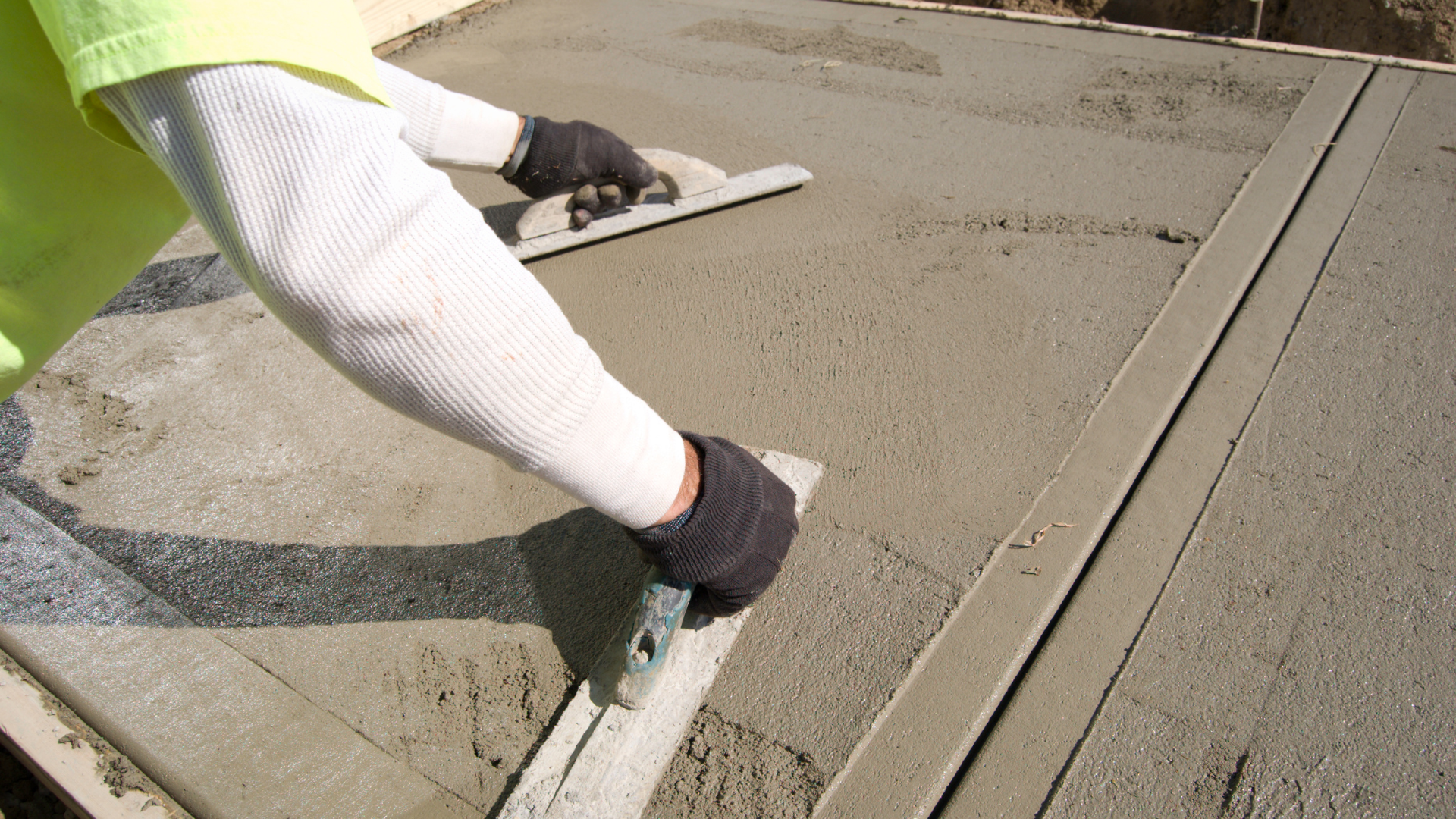
We start with a free site visit to look at the layout, nearby trees and root systems, and the overall grade of the yard. From there we excavate and compact a proper base, which matters even more on a walkway than a wider slab since there's less concrete mass to resist the ground moving underneath it. We form the path to the agreed width and route, pour the concrete, and apply your chosen finish, cutting control joints along the way to manage cracking as it cures. Once cured, we seal the surface and walk the finished path with you.
If tree roots are part of the problem, we'll also talk through options like routing the walkway around the root zone or adding a root barrier, so you're not just replacing the same problem a few years down the line.
Walkways Across the Austin Area
PaveTec installs concrete walkways throughout Austin and the surrounding communities, including Round Rock, Cedar Park, Pflugerville, Georgetown, and Lakeway. From mature, tree lined neighborhoods to newer developments on flatter ground, we plan around the specific conditions of your property.
Keeping It Level for the Long Run
A well built concrete walkway needs very little upkeep. Reseal every two to three years to protect against Austin's sun and storms. Keep an eye on nearby tree roots and address any early lifting before it becomes a bigger problem. Sweep off leaves and debris regularly, especially in shaded areas where moss or algae can build up and make the surface slick. And don't let small cracks sit. They're a much smaller fix early on.
Let's Get Your Walkway Sorted
If your walkway is cracked, uneven, or getting pushed around by tree roots, reach out to PaveTec. We'll take a look, walk you through your options, and give you a clear price.
Frequently Asked Questions
How much does a concrete walkway cost in Austin? It depends on the length, width, and finish, along with whether tree roots or grading add extra work. We'll give you an exact price after seeing the site.
How long does installation take? Most walkway projects take one to three days from prep through pour, depending on length and site conditions.
Can you route a walkway around tree roots instead of cutting them? Often, yes. We'll look at the root system and talk through options that protect the tree while still giving you a stable, level path.
How soon can I walk on a new walkway? Light foot traffic is usually fine within a couple of days, though we recommend waiting about a week before regular heavy use.
Will my new walkway crack eventually? Some hairline cracking is normal for any concrete over the years, but proper base prep and joint spacing significantly cut down the risk of major cracking or heaving.
Do you match new walkways to existing driveways or patios? In most cases, yes. We can match finish and tone so a new walkway blends in with the rest of your property's concrete.