
Retaining Wall Installation in Austin, TX
Austin's Hills Aren't Always Kind to a Backyard
If you've got a sloped lot in Austin, you already know the challenge. Hill country terrain looks great on a postcard, but it also means water runs downhill fast, soil erodes where you least want it to, and a flat, usable backyard can feel like a luxury. On top of that, the ground itself is inconsistent. One part of your property might sit on solid limestone, while another spot a few feet away is soft clay that swells after a storm and shrinks in the summer heat. A retaining wall built without accounting for any of that is basically guessing. PaveTec starts every wall project by actually looking at the slope, the soil, and where water wants to go, then builds around it instead of hoping for the best.
What a Wall Actually Solves
Most people call us for a specific problem, not just because they like the idea of a retaining wall. Maybe a slope keeps washing dirt into the yard every time it rains. Maybe there's a section of the property that's basically unusable because it's on too steep of an incline. Or maybe a foundation is sitting a little too close to a slope for comfort, and a wall is the smart way to relieve that pressure before it becomes a real problem.Whatever the reason, a well built wall does more than just hold dirt back. It can turn a wasted slope into a patio or garden space, protect your foundation, and stop erosion from slowly reshaping your yard year after year.
Choosing the Right Material
Segmental block is the go to option for most residential walls in Austin. It's strong, doesn't need mortar, and comes in enough styles to fit most yards without looking out of place.
Poured concrete is worth considering for taller walls or anywhere the wall is doing serious structural work, like protecting a foundation or holding back a steep grade.
Natural stone fits well with Austin's hill country look and gives a more custom feel, though it usually costs more than block.
Timber is the most affordable option and works fine for shorter, lower stakes walls, but it won't hold up as long as concrete or block against Austin's rain and heat.We'll walk you through which option actually makes sense once we've seen the site and understand what the wall needs to do.
When an Existing Wall Needs Help
If you already have a retaining wall on your property, a few things are worth watching for. A wall that's beginning to lean or bow outward is telling you it's under more pressure than it was built for. Cracks in block or concrete usually mean movement is already happening. Water sitting at the base instead of draining away is a sign the drainage behind the wall isn't doing its job. And gaps opening up between sections or along the top are often an early warning before something more serious happens. The earlier we catch these, the less it usually costs to fix.
How We Build It
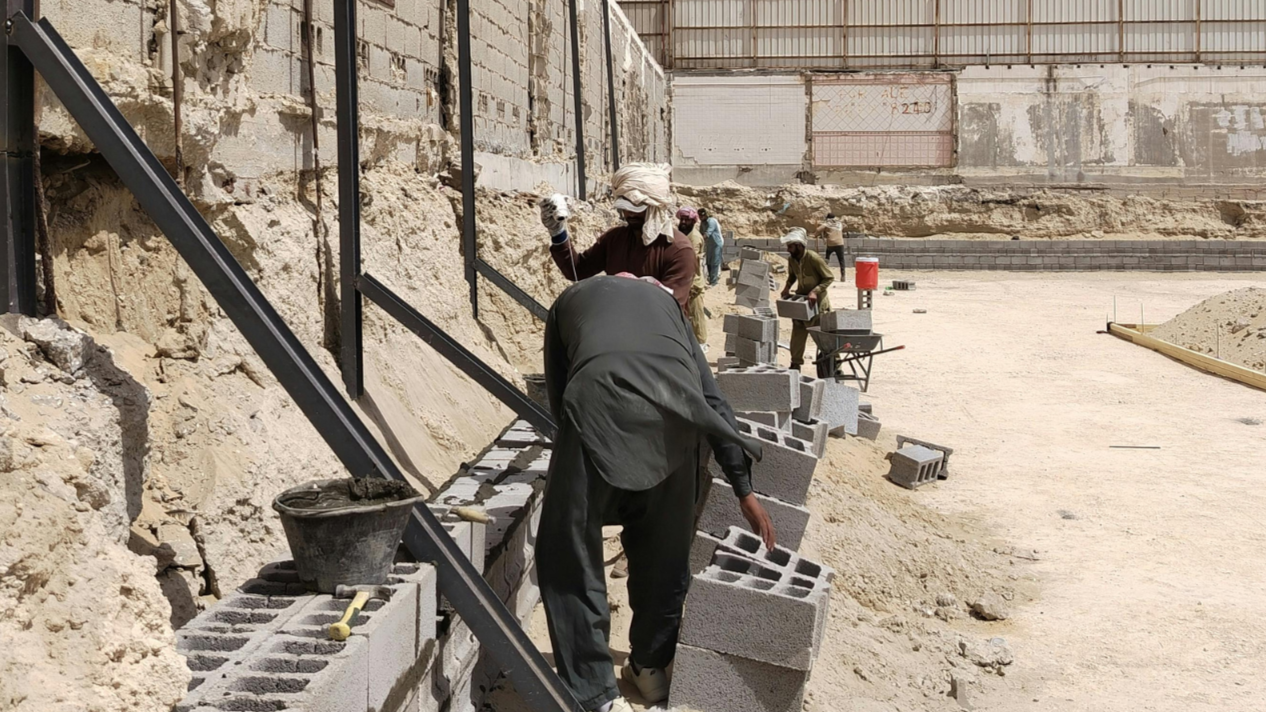
We start with a walkthrough of the site to understand the slope, the soil, and what the wall is meant to accomplish. From there we excavate and build a proper base, which matters more than almost anything else for how long the wall lasts. Drainage comes next, typically gravel backfill and a drain line behind the wall so water has somewhere to go instead of pushing against the structure over time. Then we build the wall itself, whether that's block, poured concrete, stone, or timber, keeping each section level and properly reinforced as we go. Once it's up, we finish the grading and backfill around it and walk the finished project with you.
Retaining Walls Across the Austin Area
PaveTec builds retaining walls throughout Austin and the surrounding communities, including Round Rock, Cedar Park, Pflugerville, Georgetown, and Lakeway. We've handled everything from small garden walls on flat suburban lots to larger structural walls on steep hill country properties, and we adjust our approach to fit the ground we're actually working with.
A Little Maintenance Goes a Long Way
Once a wall is properly built, it doesn't ask for much. Keep the drainage behind it clear so water has somewhere to go, especially after a heavy storm. Watch for plant roots or debris blocking drain outlets over time. And if you ever spot new cracking, leaning, or gaps, don't wait to have it looked at. Small problems are cheap to fix. Ignored ones tend to turn into full replacements.
Ready to Tame That Hillside?
If you've got a slope that needs some help or a wall that's showing signs of trouble, reach out to PaveTec. We'll come take a look, walk you through your options honestly, and give you a clear price with no pressure..
Frequently Asked Questions
How much does a retaining wall cost in Austin?
It depends on the height, length, material, and how much drainage work the site needs. We'll give you an actual number after seeing the property.
How long does installation take?
A typical residential wall takes a few days to a week depending on size and material. Taller or longer walls take more time.
Do I need a permit for a retaining wall in Austin?
Taller walls often require a permit. We handle that process as part of the project so you don't have to deal with it yourself.
Why do retaining walls fail on hill country lots?
Usually it's a drainage issue or a base that wasn't compacted properly. Water builds up pressure behind the wall until it eventually pushes it out of place, and steeper slopes only add to that pressure.
Can an existing wall be repaired instead of replaced?
Sometimes, depending on how far along the damage is. We'll give you an honest assessment of whether a repair will actually hold or if replacement makes more sense long term.
What's the best wall material for a sloped Austin property?
It depends on the height and what the wall needs to hold back. Segmental block covers most situations well, but for taller or more demanding walls, poured concrete is often the better call. We'll help you figure out what fits.