
Best Time of Year to Pour Concrete in Austin & Houston
Timing matters more than most homeowners realize when it comes to pouring concrete. While a skilled concrete contractor can work around most weather conditions, the season you choose to pour your driveway, patio, or walkway directly affects how well the concrete cures, how long the project takes, and even how the finished surface looks and performs for years to come.
In Austin and Houston, where the climate ranges from scorching summer heat to unpredictable spring storms and mild winters, choosing the right window for your concrete project isn't just a scheduling preference, it's a practical decision that impacts the strength and longevity of your investment. Here's what you need to know about pouring concrete throughout the year in Central and Southeast Texas.
Why Timing Affects Concrete Quality
Concrete cures through a chemical reaction called hydration, and that reaction is directly influenced by temperature and moisture levels. Ideal curing conditions generally fall between 50°F and 70°F, with moderate humidity that allows the concrete to harden gradually and evenly.
When temperatures are too high, the surface of the concrete can dry out faster than the interior, leading to surface cracking, reduced strength, and a shorter overall lifespan. When temperatures drop too low, hydration slows down significantly, which can delay project timelines and, in rare freezing conditions, risk damage to the concrete before it reaches sufficient strength. Understanding these dynamics is the first step in picking the right season for your project.
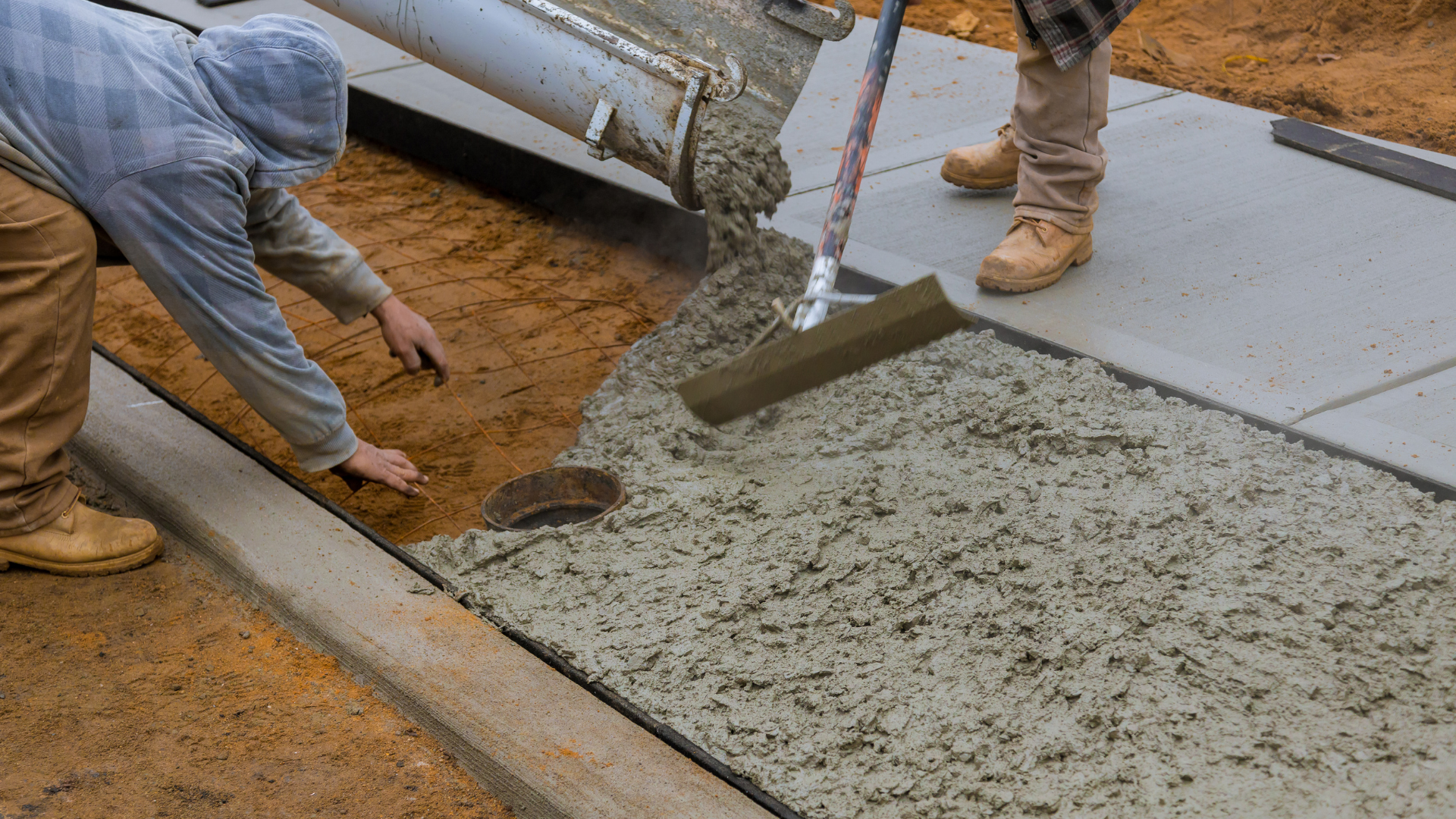
Spring (March to May): Generally the Best Window
For much of Austin and Houston, spring offers some of the most favorable conditions for pouring concrete. Daytime temperatures typically sit in a comfortable range, and while humidity is present, it hasn't yet reached peak summer intensity. This combination supports steady, even curing without the risk of the surface drying out too quickly.
The main consideration during spring is rainfall. Both Austin and Houston tend to see an increase in storms during this season, so scheduling around forecasted rain is important. A contractor experienced in the region will typically plan pours around dry stretches and have contingency plans in place, such as covering fresh concrete, if unexpected rain moves in shortly after a pour.
Spring is also a popular season for concrete pavers and asphalt paving projects, since the mild weather makes for comfortable working conditions and predictable installation timelines across all paving materials.
Summer (June to September): Possible, But Requires Extra Care
Summer in Texas brings consistent triple-digit heat, especially in Houston's humidity-heavy climate and Austin's dry, intense sun exposure. Pouring concrete during summer isn't impossible, but it requires deliberate adjustments to avoid the differential curing issues discussed in our previous article on Texas installation challenges.
Experienced contractors typically pour early in the morning during summer months, before peak heat sets in, and use water curing or curing compounds to prevent the surface from drying out too fast. Homeowners planning a summer project should expect more active curing management and should ask their contractor directly how they plan to handle the heat.
Summer can still be a reasonable time to pour if scheduling flexibility isn't an option, particularly for smaller projects like walkways or patio slabs, but larger driveway pours benefit from the more forgiving conditions found in other seasons.
Fall (October to November): A Strong Second Option
Fall is often considered the second-best season for concrete work in this region. Temperatures begin to moderate from summer highs, humidity typically decreases, and rainfall is generally less frequent than spring, though hurricane season effects can still linger into early fall for the Houston area.
Fall pours benefit from more predictable weather windows and comfortable working conditions similar to spring, making it a popular choice for homeowners who missed the spring scheduling window or want to complete a project before the holiday season.
Winter (December to February): Workable With Planning
Texas winters are mild compared to most of the country, which means concrete work doesn't stop during this season the way it might in colder states. Freezing temperatures are relatively rare in Austin and Houston, though occasional cold snaps do occur and require attention.
The main consideration in winter is slower curing due to cooler temperatures, which can extend the time before a driveway reaches full driving strength. If a hard freeze is forecasted shortly after a pour, contractors may need to insulate or cover the fresh concrete to protect it, since freezing temperatures before concrete reaches adequate strength can cause permanent damage to the surface.
Winter often comes with a practical advantage: contractor scheduling tends to be more flexible during the slower season, and some homeowners find it easier to book a project without the longer lead times common in spring and fall.
Hurricane Season and Regional Considerations for Houston
Houston homeowners should factor hurricane season, roughly June through November, into their planning. Beyond direct storm risk, this period often brings heavier and less predictable rainfall, which can complicate scheduling for large concrete pours. Working with a contractor who actively monitors weather forecasts and builds flexibility into the project timeline helps avoid delays or rushed pours ahead of incoming storms.
Austin, being further inland, sees less direct hurricane impact but still experiences its own seasonal rainfall patterns, particularly in late spring, that are worth planning around.
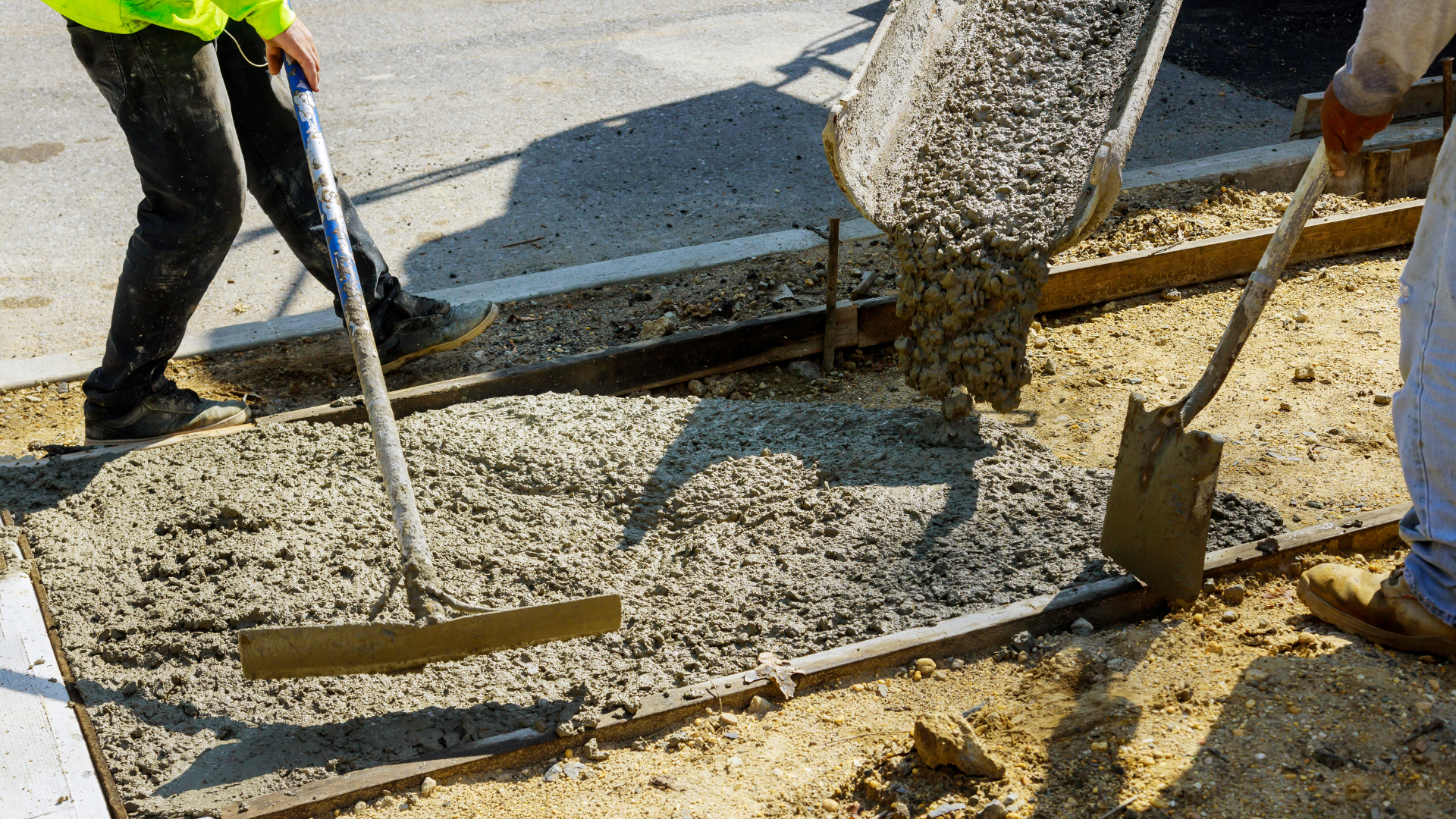
What About Concrete Pavers and Asphalt Timing?
While poured concrete has the most sensitive relationship with curing temperature, timing still matters for other paving materials. Concrete pavers rely on proper base compaction rather than a chemical cure, which means they're generally more forgiving of temperature swings, though extremely wet conditions can complicate the excavation and base preparation process.
Asphalt paving performs best when temperatures are warm enough for proper compaction, generally above 50°F, which makes late spring through early fall the more favorable window for asphalt driveway installation in this region. Pouring asphalt in colder conditions can result in a weaker, less durable surface if not handled by an experienced paving contractor.
Practical Tips for Scheduling Your Concrete Project
Book early for spring and fall.These popular windows fill up quickly with contractors, so scheduling several weeks or even months ahead is wise for larger projects.
Ask about your contractor's hot-weather and cold-weather protocols. A qualified concrete contractor should have clear procedures for curing management regardless of season.
Watch the extended forecast. Even within a good season, a specific week's weather can shift plans. Flexibility around your exact pour date helps avoid complications.
Consider project size and urgency. Smaller projects have more flexibility across seasons, while large driveways or commercial parking areas benefit most from the ideal spring or fall windows.
Plan Your Project With PaveTec
Whether you're aiming for the ideal spring window or need a driveway, patio, or parking area installed during a busier season, proper planning and experienced execution make the biggest difference in how your concrete, pavers, or asphalt perform for years to come. At PaveTec, we monitor local weather conditions closely and adjust our process season by season to deliver a durable result no matter when your project is scheduled.
📍 Proudly serving Houston & Austin, TX
Ready to plan your concrete or paving project around the right season? Let's talk timing.
📞 Call us at (832) 674-3996 or contact us to schedule your free consultation.