
Why Texas Heat and Clay Soil Make Proper Concrete Installation Critical
Not all concrete driveways are created equal, and in Texas, the gap between a properly installed driveway and a poorly installed one shows up fast. Two identical-looking slabs poured on the same day, using the same concrete mix, can perform completely differently within just a year or two, and the difference almost always comes down to what happened before the concrete was ever poured.
Texas presents a uniquely challenging combination for concrete installation: brutal summer heat that can exceed 100°F for weeks at a time, paired with expansive clay soil that swells and shrinks dramatically with every rain and dry spell. Together, these two factors put more stress on a driveway, patio, or foundation than almost any other climate in the country. Understanding why proper installation matters, and what a qualified contractor should be doing differently because of it, can save you from expensive repairs down the road.
The Hidden Threat Beneath Every Texas Driveway: Clay Soil
Much of the Houston and Austin region sits on expansive clay soil, sometimes referred to locally as "black gumbo" or "black clay." This soil type has an unusual property: it absorbs large amounts of water and swells significantly, then contracts and shrinks as it dries out. That swelling and shrinking cycle repeats constantly throughout the year as rainfall and drought conditions change.
For a rigid material like concrete, this constant ground movement is a serious problem if it isn't accounted for during installation. As the soil beneath a slab swells unevenly, it can push sections of the concrete upward. As it dries and contracts, it can pull support away from other sections, leaving the slab unsupported and prone to cracking under its own weight or the weight of a vehicle.
This is fundamentally different from soil conditions in many other parts of the country, which is why installation methods that work well elsewhere can fail here without proper adjustment for local ground conditions.
Why Texas Heat Complicates the Curing Process
Beyond the soil, Texas's extreme summer heat creates its own set of installation challenges. Concrete cures through a chemical hydration process that depends on maintaining adequate moisture in the mix as it hardens. In high heat, especially when combined with Texas's characteristic wind and low humidity stretches, the surface of freshly poured concrete can dry out far faster than the interior.
This uneven drying creates what's known as differential curing, where the top layer hardens and shrinks faster than the concrete underneath. The result is often surface cracking, sometimes appearing within the first 24 to 48 hours after the pour. A contractor unfamiliar with these conditions might pour concrete in the middle of a July afternoon without adjusting the mix, timing, or curing method, setting the project up for problems before it even fully hardens.
What Proper Installation Actually Looks Like in Texas Conditions
A driveway or foundation built to hold up against both expansive clay soil and extreme heat requires several deliberate steps that go beyond a standard concrete pour:
Sub-base preparation and compaction. Before any concrete is poured, the soil needs to be properly excavated and replaced with a compacted layer of gravel or crushed stone. This creates a stable, well-draining base that reduces the direct impact of soil swelling on the slab above it. Skipping or rushing this step is one of the most common causes of early driveway failure in this region.
Proper slab thickness and reinforcement.Reinforcing concrete with rebar or wire mesh helps distribute stress across the slab and resist cracking caused by soil movement. In areas with particularly active clay soil, thicker slabs or additional reinforcement may be necessary compared to standard recommendations used in other states.
Control joints placed correctly.Control joints are intentional grooves cut into concrete that guide where cracking will occur, rather than leaving it to happen randomly across the surface. Properly spaced control joints are especially important in Texas, where soil movement increases the likelihood of stress cracks forming.
Moisture-conscious curing methods.In hot weather, contractors need to actively manage the curing process using techniques like water curing, curing compounds, or covering the slab with curing blankets to prevent the surface from drying out too quickly. Timing the pour for cooler parts of the day during summer months also makes a meaningful difference.
Proper grading and drainage.Given Texas's pattern of sudden, heavy rainfall, a driveway needs to be graded correctly so water flows away from the home's foundation rather than pooling against the slab or seeping into the sub-base, which would only accelerate soil movement underneath.
What Happens When Installation Cuts Corners
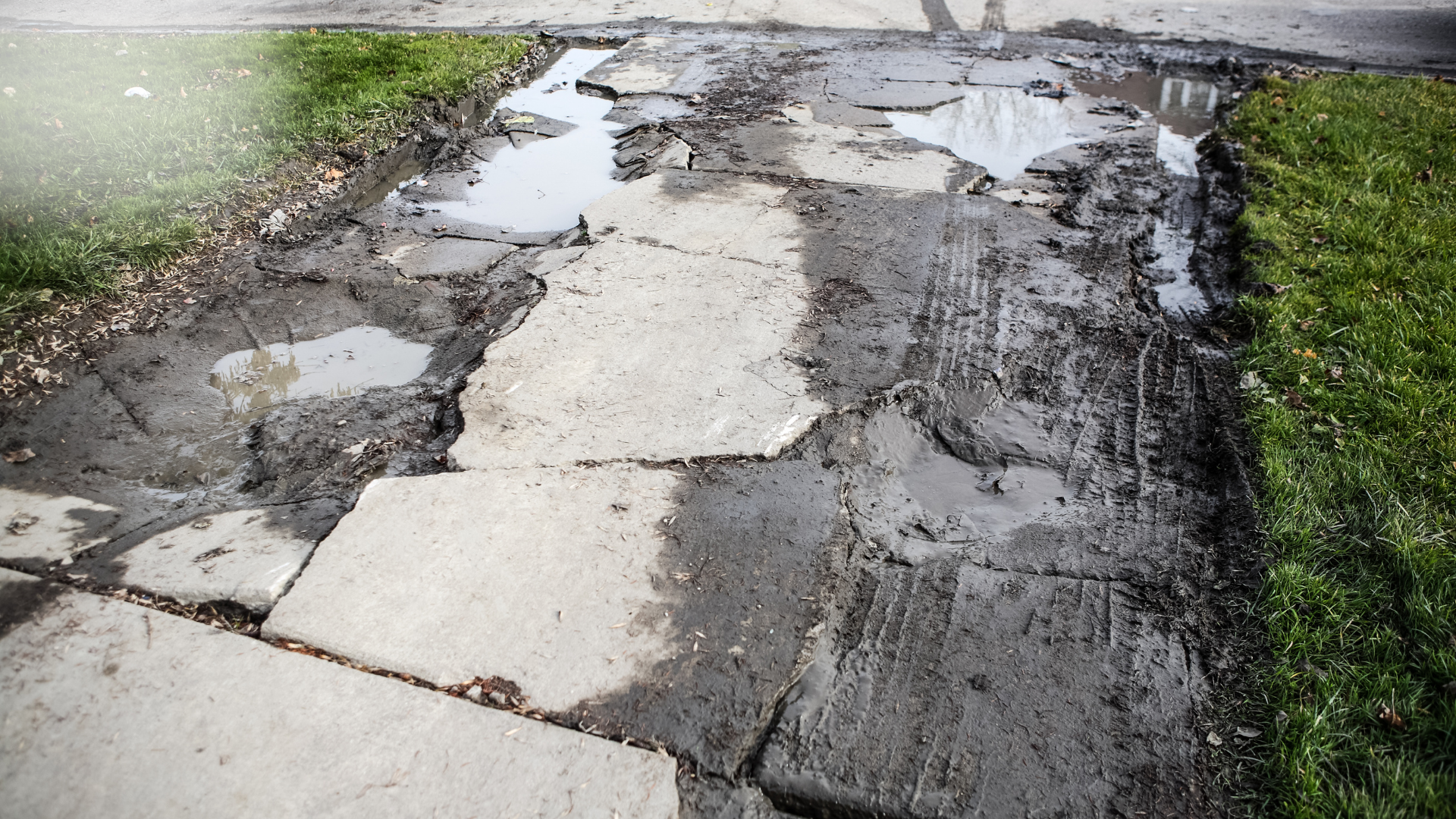
When these steps are skipped or rushed, the consequences tend to show up faster in Texas than in more stable climates. Homeowners often see:
Early cracking, sometimes within the first year, caused by inadequate sub-base compaction or poor control joint placement
Uneven settling or heaving, where sections of the driveway rise or sink as the clay soil beneath shifts unevenly
Surface scaling or crazing, a network of fine cracks caused by improper curing in high heat
Drainage failures, leading to water pooling near the foundation and accelerating soil movement over time
These issues often connect directly to the kinds of foundation and driveway problems homeowners search for once they've already appeared, cracks, sunken sections, and pooling water among them. Addressing them after the fact through concrete repair or slab leveling is possible, but it's almost always more costly than getting the installation right from the start.
Concrete Pavers and Asphalt: Do They Handle This Differently?
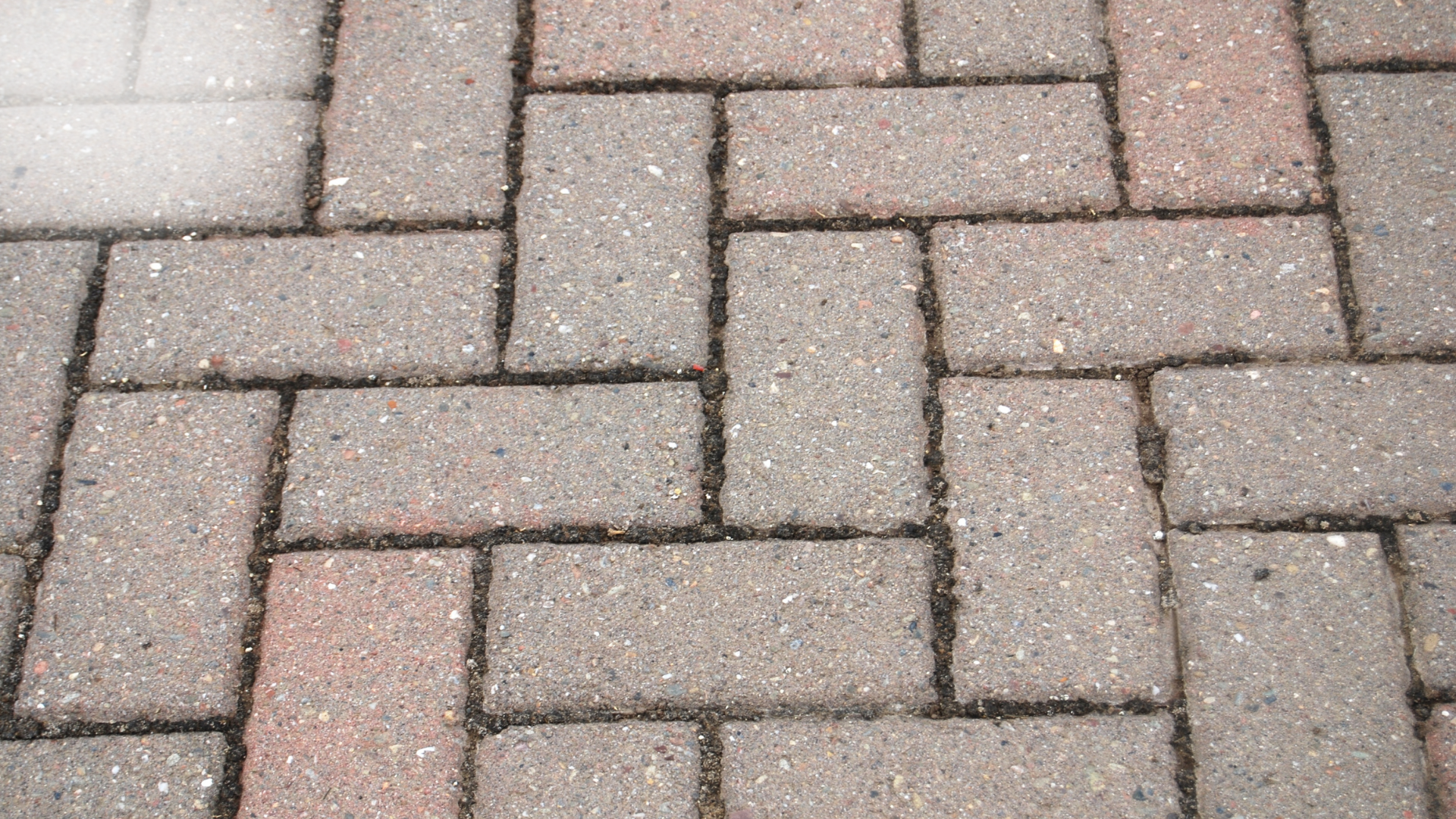
Because interlocking concrete pavers are installed as individual units rather than a single rigid slab, they tend to handle minor soil movement with more flexibility, small shifts are less likely to cause the kind of visible cracking seen in poured concrete, and individual pavers can be reset if needed. That said, proper base preparation and compaction still matter just as much for a paver installation as they do for poured concrete.
Asphalt paving offers similar flexibility advantages due to its more pliable nature, which can help it tolerate minor ground movement better than rigid concrete. However, asphalt is more vulnerable to Texas's intense summer heat, which can soften the surface and lead to rutting in high-traffic or parked-vehicle areas if the mix and sub-base aren't properly matched to local conditions.
No matter which material you choose, the underlying principle stays the same: proper sub-base preparation and installation practices suited to Texas's soil and climate are what determine long-term performance, far more than the surface material alone.
Why the Contractor You Choose Matters More Than the Material
A common mistake homeowners make is focusing entirely on comparing materials, concrete versus pavers versus asphalt, without asking enough questions about how the installation itself will be handled. A contractor experienced with expansive clay soil and Texas heat will approach sub-base preparation, reinforcement, joint placement, and curing timing very differently than one working from a generic, one-size-fits-all process.
Before hiring a concrete contractor for a new driveway, patio, or foundation project, it's worth asking directly about their sub-base preparation process, how they handle pours during hot weather, and how they account for soil conditions specific to your property.
Trust PaveTec to Install It Right the First Time
Getting concrete installation right in Texas isn't just about pouring a slab, it's about understanding how local soil and climate conditions will affect that slab for decades to come. At PaveTec, our team accounts for expansive clay soil, proper sub-base compaction, and Texas heat at every stage of the process, whether we're installing a new concrete driveway, concrete pavers, or asphalt paving.
📍 Proudly serving Houston & Austin, TX
Planning a new driveway, patio, or paving project? Let's make sure it's built to last.
📞Call us at (832) 674-3996 or contact us to schedule your free consultation.