
How Often Should You Seal Coat an Asphalt Driveway in Texas?
If you have an asphalt driveway, seal coating is one of the most important things you can do to protect it, and one of the most commonly neglected. Asphalt is a durable, cost-effective paving material, but it's also more exposed to UV damage and moisture penetration than concrete, which is exactly why a consistent seal coating schedule matters so much, especially in a climate as demanding as Texas.
Skipping or delaying seal coating doesn't just affect how your driveway looks. It accelerates oxidation, cracking, and surface deterioration, often shortening the asphalt's usable life by years. Here's what business owners and homeowners alike should know about how often to seal coat an asphalt driveway in Texas, and how to tell when it's actually time.
What Seal Coating Actually Does
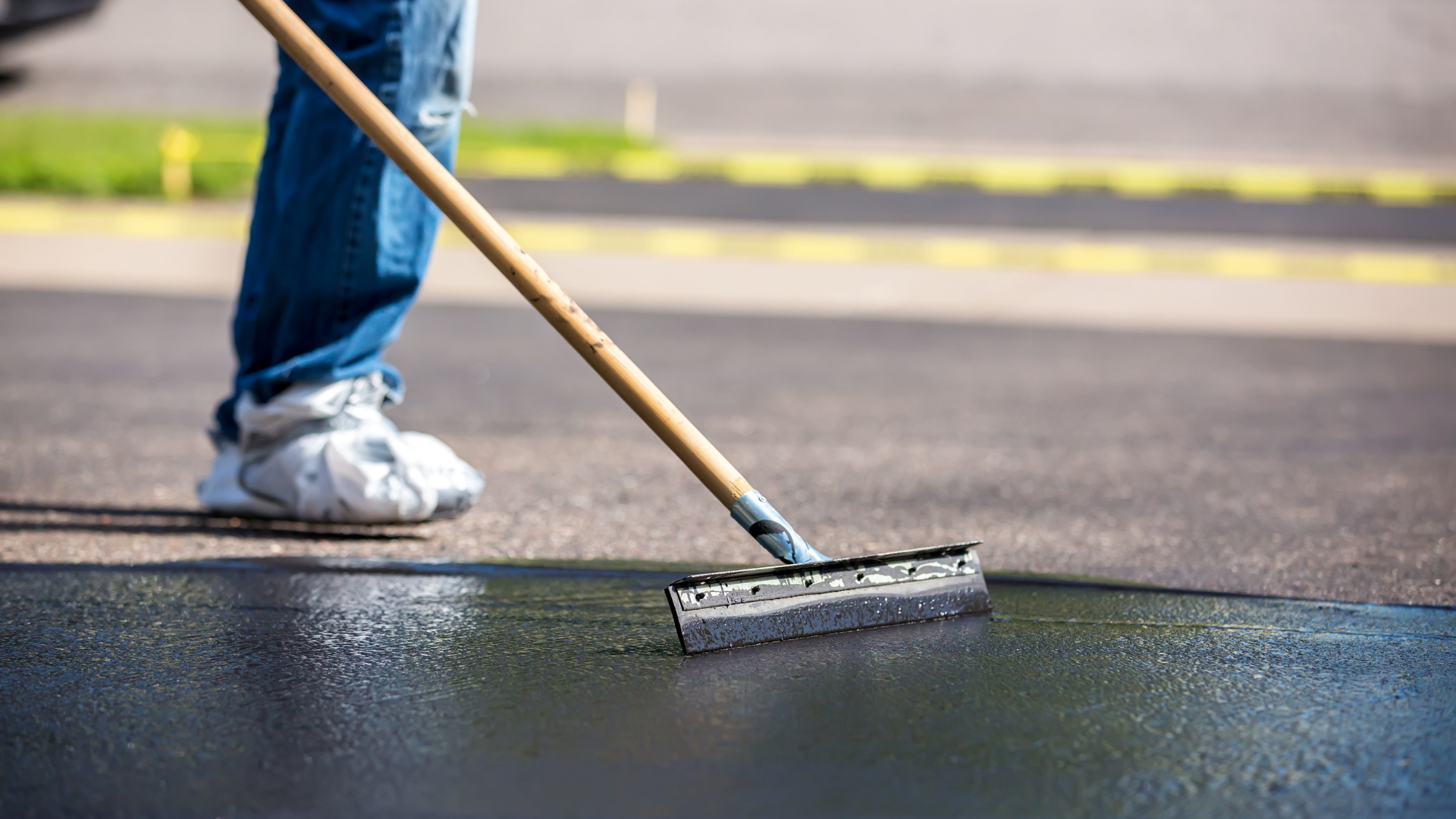
Seal coating is a protective layer applied over the surface of asphalt to shield it from the elements. Asphalt itself is a petroleum-based product, and over time, exposure to UV rays causes the oils in the asphalt binder to oxidize and evaporate, leaving the surface brittle, faded, and more prone to cracking. Seal coating slows this process significantly by blocking UV exposure, repelling water, and resisting damage from oil and gas spills, which can otherwise soften and break down unsealed asphalt over time.
Beyond protection, seal coating also restores the asphalt's rich black color and smooths minor surface imperfections, giving an aging driveway a noticeably refreshed appearance.
The General Rule: Every 2 to 3 Years
For most residential asphalt driveways, industry guidance generally recommends seal coating every two to three years. This interval balances cost against protection, applying seal coat too infrequently allows UV and moisture damage to accumulate, while reapplying it too often provides little added benefit and adds unnecessary expense.
However, this general guideline isn't a fixed rule for every driveway, and several factors specific to your property and Texas's climate can shift that timeline in either direction.
Why Texas Climate Affects Your Sealing Schedule
Texas presents a particularly demanding environment for asphalt surfaces, which is why many Texas homeowners find themselves on the shorter end of the typical sealing interval, sometimes closer to every two years rather than three.
Intense UV exposure. Texas sees significantly more high-UV sun days per year than much of the country, accelerating the oxidation process that seal coating is specifically designed to slow down.
Extreme summer heat. High temperatures cause asphalt binders to break down faster, and repeated heat cycling between scorching days and cooler nights adds additional stress to the surface over time.
Heavy, sudden rainfall. When asphalt's protective layer wears thin, water can penetrate the surface and work its way toward the base layer, contributing to cracking, potholes, and the kind of base failure that's far more expensive to repair than routine seal coating.
Properties in full, unshaded sun exposure typically need more frequent sealing than those with mature tree cover providing partial shade throughout the day, which is worth factoring into your own driveway's specific timeline.
Signs It's Time to Reseal, Even Off Schedule
Rather than relying solely on a fixed number of years, watching for these signs helps you catch the right window before damage accelerates:
Fading from black to gray. This is one of the earliest and most visible signs that UV exposure has begun breaking down the asphalt binder, and it typically appears well before structural damage becomes noticeable.
A dry, brittle, or porous surface texture. Healthy, well-sealed asphalt has a smooth, slightly flexible surface. Once it starts feeling rough, brittle, or visibly porous, protective oils have likely diminished significantly.
Water no longer beading on the surface. A simple test: pour a small amount of water on the driveway. If it beads up, the seal coat is still providing protection. If it soaks in quickly, the surface has lost much of its water resistance.
Minor surface cracking beginning to appear. Small, hairline cracks forming across the surface, rather than along existing joints, often indicate the asphalt has dried out enough that fresh sealing is overdue.
Factors That Can Shift Your Specific Timeline
Traffic volume. A driveway or lot with heavier daily traffic experiences more physical wear on top of environmental exposure, which can shorten the effective lifespan of a seal coat application compared to a lightly used residential driveway.
Sun and shade exposure. As mentioned above, consistently shaded sections of a driveway may hold up noticeably longer between applications than sections in full, direct sun.
Drainage conditions. Areas where water tends to pool or drain slowly place additional stress on the asphalt surface and may need more frequent attention, alongside addressing the underlying drainage issue itself.
Quality of the previous application. A seal coat applied correctly, with proper surface cleaning and crack filling beforehand, lasts longer than one rushed or applied over a poorly prepared surface.
When to Apply the First Seal Coat on New Asphalt
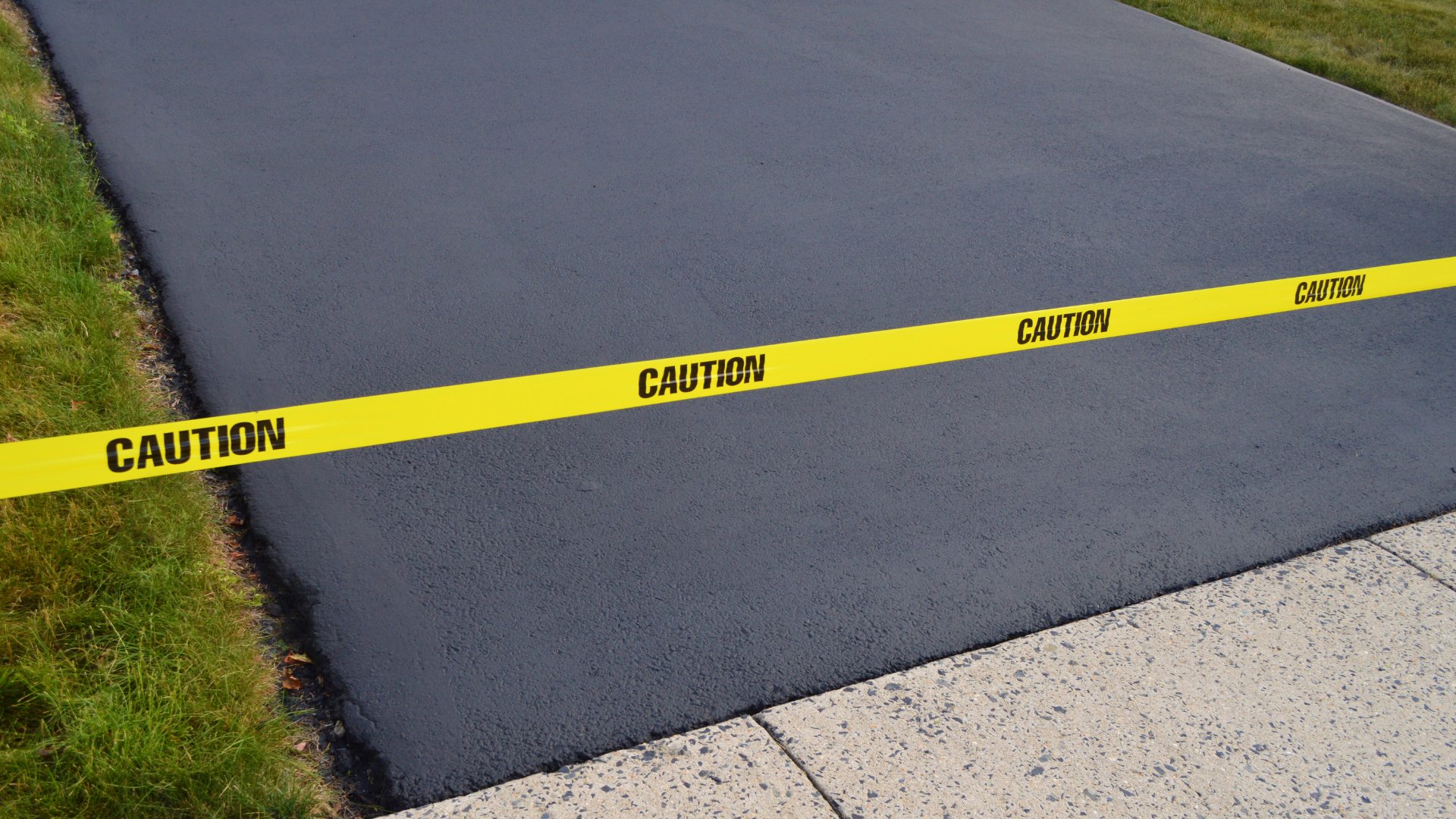
New asphalt actually needs time before its first seal coating, generally six months to a full year. Fresh asphalt still contains oils that need to evaporate and cure naturally, and sealing too early traps those oils beneath the surface rather than allowing the asphalt to harden and stabilize properly first. A contractor can advise on the right timing based on the specific mix and installation conditions for your project.
Best Time of Year to Seal Coat in Texas
Timing matters for seal coating just as it does for pouring new asphalt or concrete, a topic covered in more detail in our article on the best time of year to pour concrete in Austin and Houston. Seal coating needs warm, dry conditions to cure properly, generally performing best in spring or fall when temperatures are moderate and rainfall is more predictable. Applying seal coat during peak summer heat can cause it to cure too quickly on the surface, while cooler winter temperatures can slow curing significantly and risk a weaker bond if rain or cold moves in before the material sets.
The Seal Coating Process
A proper seal coating job involves more than simply applying a new top layer. The surface first needs to be thoroughly cleaned of dirt, oil stains, and debris, since sealant applied over a dirty surface won't bond properly. Existing cracks should be filled and repaired before sealing, since trapping a crack beneath a fresh seal coat doesn't resolve the underlying issue. Once prepared, the sealant is applied in one or two coats and given adequate time to cure before the driveway returns to regular use.
Is Seal Coating Worth the Cost?
Compared to the cost of a full asphalt driveway replacement, routine seal coating is a relatively small, recurring expense that meaningfully extends the life of the surface. Skipping seal coating doesn't eliminate cost, it defers it, usually resulting in a more extensive and expensive repair or replacement years earlier than would otherwise be necessary.
How This Compares to Concrete and Pavers
One advantage concrete offers over asphalt is a less frequent maintenance schedule, concrete driveways generally only need occasional sealing for staining and moisture protection rather than the more active two to three year seal coating cycle asphalt requires. Concrete pavers require the least ongoing surface maintenance of the three, typically just periodic joint sand replenishment, since there's no single surface layer to reseal. For homeowners weighing long-term upkeep as part of their material decision, this maintenance difference is worth factoring in alongside the cost comparisons covered in our article on concrete versus asphalt driveways for Texas weather.
Keep Your Asphalt Protected With Pavetec
A consistent seal coating schedule, adjusted for your driveway's specific sun exposure, traffic, and drainage conditions, is one of the simplest ways to extend the life of your asphalt investment in Texas's demanding climate. At Pavetec, we help Houston and Austin property owners assess their asphalt's condition and recommend the right seal coating timeline for their specific property.
📍 Proudly serving Houston & Austin, TX
Not sure if your driveway is due for seal coating?
📞 Contact us at (832) 674-3996 or message us to schedule your free assessment.