
Ask any paving contractor in Texas what the hardest part of scheduling is, and the answer is almost always the same: the weather. A project can be fully permitted, designed, and ready to go, and still get pushed back days or weeks because of a storm system, a heat wave, or a ground that simply hasn't dried out yet.
For property owners, delays can feel frustrating, especially when a business needs its parking lot back or a family is waiting on a driveway. Understanding why weather delays happen, how long they typically last, and why a short delay is usually the right call can make the whole process easier to plan around.
Why Weather Matters More in Paving Than Most Trades
Paving materials are sensitive to the conditions around them while they're being placed and while they set. Unlike a project where finished work can simply be covered up and revisited later, concrete and asphalt both have narrow windows where they need to be placed, finished, and protected for the result to hold up long term.
Rain, extreme heat, wind, and cold snaps all interfere with that window in different ways, which is why experienced crews watch the forecast as closely as they watch the schedule. Contractors in this region typically monitor the National Weather Service forecasts for Houston and Galveston and for Austin and San Antonio when deciding whether a pour or paving day is a go.
How Rain Delays a Project
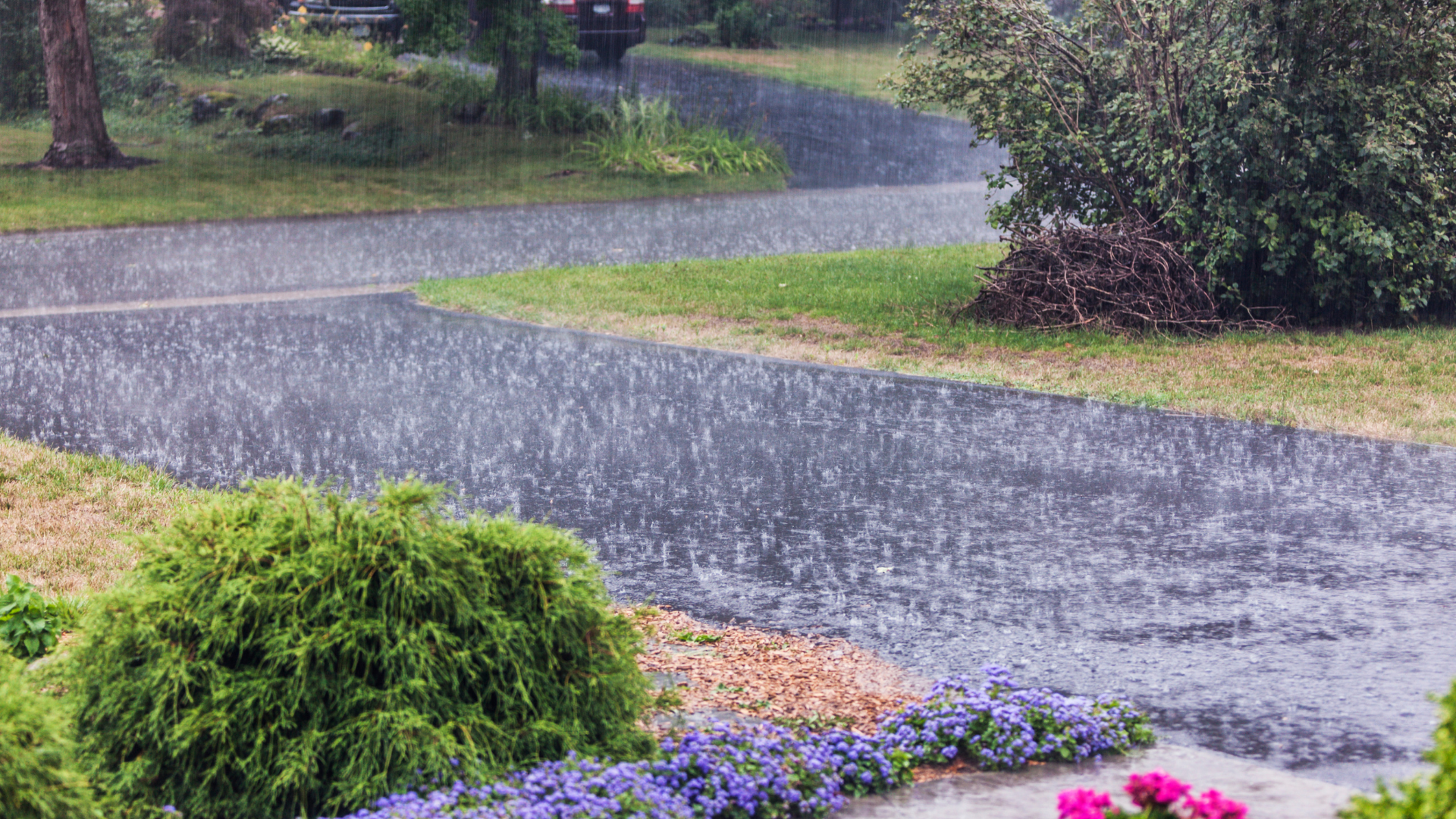
Rain is the most common cause of delays in both cities, and it affects more than just the day it falls.
Fresh concrete. Rain landing on a newly finished slab can damage the surface, wash away fine material, and weaken the top layer. If rain is forecast during or shortly after a pour, a responsible contractor will reschedule rather than gamble on the result.
Asphalt. Asphalt needs to be placed hot and compacted before it cools. Wet pavement or rain during placement cools the material too fast and prevents proper compaction, which leads to early cracking and potholes, a problem covered in our article on why Texas roads and lots are so prone to potholes.
Saturated ground. Even after the rain stops, the soil beneath a project can stay too wet to excavate, grade, or compact properly. Texas clay holds water, so a site can need several dry days before sub-base work can begin, a step covered in depth in our article on why sub-base prep determines how long pavement lasts.
Equipment access. Heavy trucks and compaction equipment can rut or damage a soft site, so crews often wait until the ground firms up.
As a general rule, a single rainy day often translates to a delay of two to four days once ground conditions are factored in, and longer after a major storm.
How Heat Affects Timelines
Texas heat doesn't always cancel a job outright, but it changes how and when the work gets done.
During summer, crews often start earlier in the day to place concrete before peak temperatures arrive. Industry guidance on hot weather concreting addresses the risks of rapid moisture loss, surface cracking, and reduced strength when concrete is placed in high heat, which is why many contractors adjust their start times, mix designs, and curing methods during hot spells.
On very hot days, a crew may postpone a larger pour entirely, split it into smaller sections, or shift it to the next cooler morning. For asphalt, extreme surface heat can make new pavement tender for longer, which can extend the time before a lot or driveway is ready for traffic, a topic discussed in our article on concrete and asphalt curing and cooling times.
Wind, Humidity, and Cold Snaps
Smaller weather factors can add up as well.
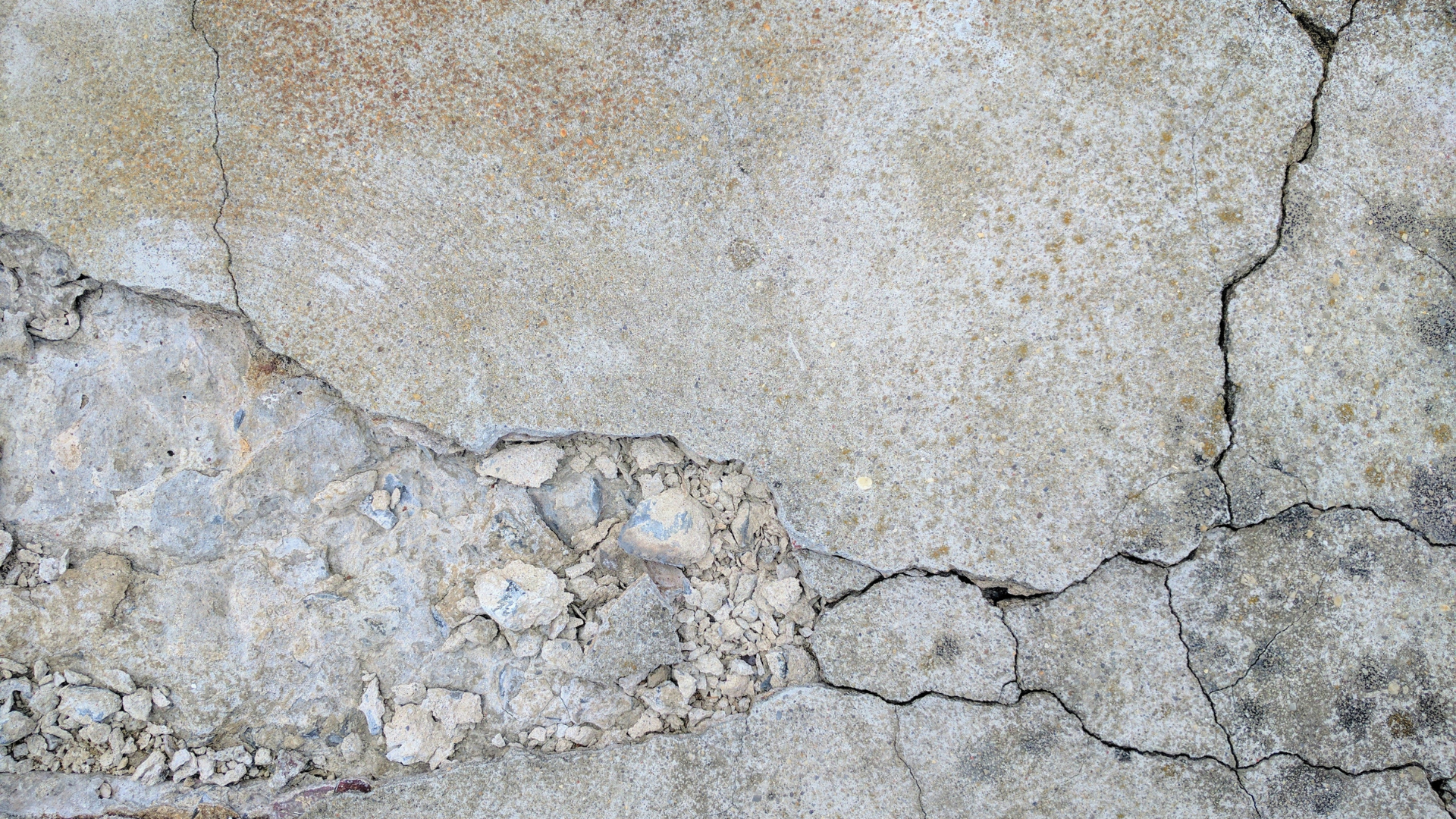
Wind. High winds dry the surface of fresh concrete too quickly, increasing the risk of surface cracking, even on days that aren't especially hot.
Humidity. High humidity slows how fast surface moisture evaporates, which can lengthen finishing and sealing windows.
Cold snaps. Texas winters are mild, but sudden freezes do happen, and concrete placed before a hard freeze needs protection or a rescheduled pour. Cold weather also slows curing and can limit when asphalt can be placed with proper compaction.
Hurricane Season and Houston
For Houston-area projects, hurricane season adds a layer of planning that Austin projects see less of. From June through November, tropical systems can bring multiple days of heavy rain and strong wind, sometimes pushing a schedule back by a week or more. Our article on preparing your concrete for hurricane season covers how to protect your property ahead of storms, and our article on the best time of year to pour concrete in Austin and Houston explains how to schedule around the seasons.
How Long Do Weather Delays Usually Last?
Delays vary widely, but the following ranges are typical for Texas projects.
Light rain or a single stormy day: one to three days of delay.
A multi-day storm system: three to seven days, depending on ground conditions.
Extended wet stretches or tropical weather: one to two weeks or more.
Extreme heat or a cold snap: often handled by shifting start times or waiting a day or two for conditions to improve.
These ranges apply to the weather itself. Delays can compound when weather pushes a project into a busier stretch of the contractor's schedule, so flexibility on start dates often saves more time than trying to force a pour on a marginal day.
Why Waiting Is Usually the Better Call
It can be tempting to push a crew to work through questionable weather to stay on schedule. In practice, that approach tends to cost more in the long run.
Concrete placed in poor conditions can scale, crack, or cure unevenly. Asphalt compacted when it's too cool or too wet can develop weak spots that turn into potholes within a season or two. Fixing those problems later means more disruption and more expense than a short delay would have caused, a trade-off covered in our article on why cheap concrete work often costs more long-term.
A contractor who is willing to reschedule rather than risk your pavement is usually the one who stands behind the work.
How Property Owners Can Plan Around Weather
A little planning goes a long way.
Pick flexible dates. Give your contractor a window rather than a single fixed day whenever possible.
Schedule in favorable seasons. Spring and fall generally offer more stable conditions, as outlined in our seasonal scheduling article.
Ask about the weather policy. Find out how your contractor handles rain days, heat, and rescheduling, and whether the quote or contract accounts for them. Our guide to questions to ask before hiring a concrete contractor includes this topic.
Build in buffer time. If you have a hard deadline, such as a business opening or a home sale, schedule the work with extra margin.
Stay in touch. A good crew will keep you updated as the forecast changes so you aren't surprised by a last-minute move.
Our article on the concrete project timeline from quote to completion walks through the full sequence of steps so you can see where weather is most likely to affect your schedule.
What About Asphalt and Pavers?
Each material reacts to weather a little differently. Properly timed asphalt paving depends on warm, dry conditions for compaction, so cold or wet days are often a hard stop. Concrete pavers are more forgiving, since they're set rather than poured, though rain can still delay excavation and base compaction. For contractors, understanding these differences is a core part of the technical guidance that shapes good scheduling decisions.
Plan Your Project With Pavetec
Weather will always be part of the equation in Texas, but good planning keeps it from derailing your project. At Pavetec, we track conditions closely, communicate openly about schedule changes, and never rush a pour or paving job at the expense of quality, whether the project involves concrete, concrete pavers, or asphalt.
📍 Proudly serving Houston & Austin, TX
Planning a paving or concrete project and want a realistic timeline?
📞 Contact us at (832) 674-3996 or message us to schedule your free consultation.