
When a new driveway or parking lot is finished, all anyone sees is the top layer, smooth concrete or freshly laid asphalt. What almost nobody sees, or thinks about, is everything that happened underneath before that surface was ever poured. Sub-base preparation is the least visible, least glamorous part of any paving project, and it's also the single biggest factor in whether that surface lasts for decades or starts failing within just a couple of years.
This article is a deep dive into what sub-base prep actually involves, step by step, why it's so easy to rush or skip, and why it matters more in Texas than almost anywhere else in the country.
What Sub-Base Prep Actually Means
Sub-base preparation refers to everything done to the ground beneath a paved surface before concrete or asphalt is ever applied. It's not a single action but a sequence of steps, each of which affects how well the finished surface will perform over its lifespan.
Excavation. The process starts by removing topsoil, organic material, and any existing damaged pavement down to the proper depth for the project. Organic material left in place will eventually decompose, creating voids beneath the surface that lead to settling, so this step needs to be thorough rather than just scraping off the top few inches.
Subgrade evaluation. Once excavated, the exposed native soil, called the subgrade, needs to be assessed for its load-bearing capacity and stability. In much of Houston and Austin, this subgrade is expansive clay soil, which requires special attention given how dramatically it swells and shrinks with moisture changes. In some cases, this is where soil stabilization techniques come in, such as treating the subgrade with lime to reduce its moisture sensitivity, or installing a geotextile fabric layer to separate the soft native soil from the base material above it and prevent the two from mixing over time.
Base material selection. A layer of crushed stone or aggregate, often called flexible base in this region, is placed over the prepared subgrade. The specific gradation, meaning the mix of different particle sizes within the base material, matters significantly. Properly graded base material interlocks well during compaction and allows adequate drainage, while poorly graded material can leave gaps that compact unevenly or trap water.
Compaction in lifts. Base material isn't simply dumped to full depth and compacted once. It's applied and compacted in multiple thinner layers, called lifts, since a single thick layer won't compact uniformly all the way through. Each lift needs to reach adequate density before the next one is added, which takes more time than a single-pass approach but produces a far more stable, uniform base.
Compaction equipment and testing. Plate compactors or rollers are used to achieve the required density, and moisture content plays a critical role in how effectively this compaction actually works. Soil and base material that's too dry won't compact properly, while material that's too wet can become unstable under the compaction equipment itself. On larger or more critical projects, proctor density testing is sometimes used to verify that a specific percentage of maximum achievable density has actually been reached, rather than relying on visual inspection alone.
Fine grading and slope. Before the final surface is applied, the base needs to be graded to the correct slope to ensure proper drainage away from structures once the project is complete, a detail that becomes much harder to correct after the surface has already been poured.
Why This Step Gets Rushed or Skipped
Sub-base preparation takes real time, labor, and equipment, none of which is visible in the finished product the way a decorative concrete finish or clean asphalt surface is. This creates a real temptation to cut corners here specifically, since a rushed sub-base doesn't show up as a problem immediately. The consequences typically appear months or years later, long after the contractor has moved on and the original cost savings have been forgotten, a pattern explored in more detail in our article on why cheap concrete work often costs more long-term.
What Happens When Sub-Base Prep Is Inadequate
An inadequately prepared base doesn't fail all at once, it tends to show up gradually through a predictable chain of problems: uneven settling as poorly compacted material continues to compress under load over time, premature cracking in concrete as the rigid surface loses uniform support beneath it, and accelerated rutting or pothole formation in asphalt as traffic load exposes weak spots in the base, a process covered in detail in our article on why Texas roads and lots are so prone to potholes. In nearly every case, these surface-level symptoms actually originate below the surface, which is exactly why patching the visible damage alone so often fails to resolve the underlying issue.
Sub-Base Needs Differ by Surface Type
Concrete is a rigid material, which means it depends heavily on uniform, consistent support across the entire base. Any inconsistency in compaction creates uneven stress points once the concrete is poured, since the rigid slab can't flex to accommodate minor variations the way a more flexible surface could.
Asphalt has somewhat more flexibility than concrete, but it still requires a solid, well-compacted base to resist rutting and deformation under repeated traffic loads, particularly in high-stress areas like intersections or loading zones, topics covered further in our articles on asphalt paving lifespan and signs a parking lot needs repaving.
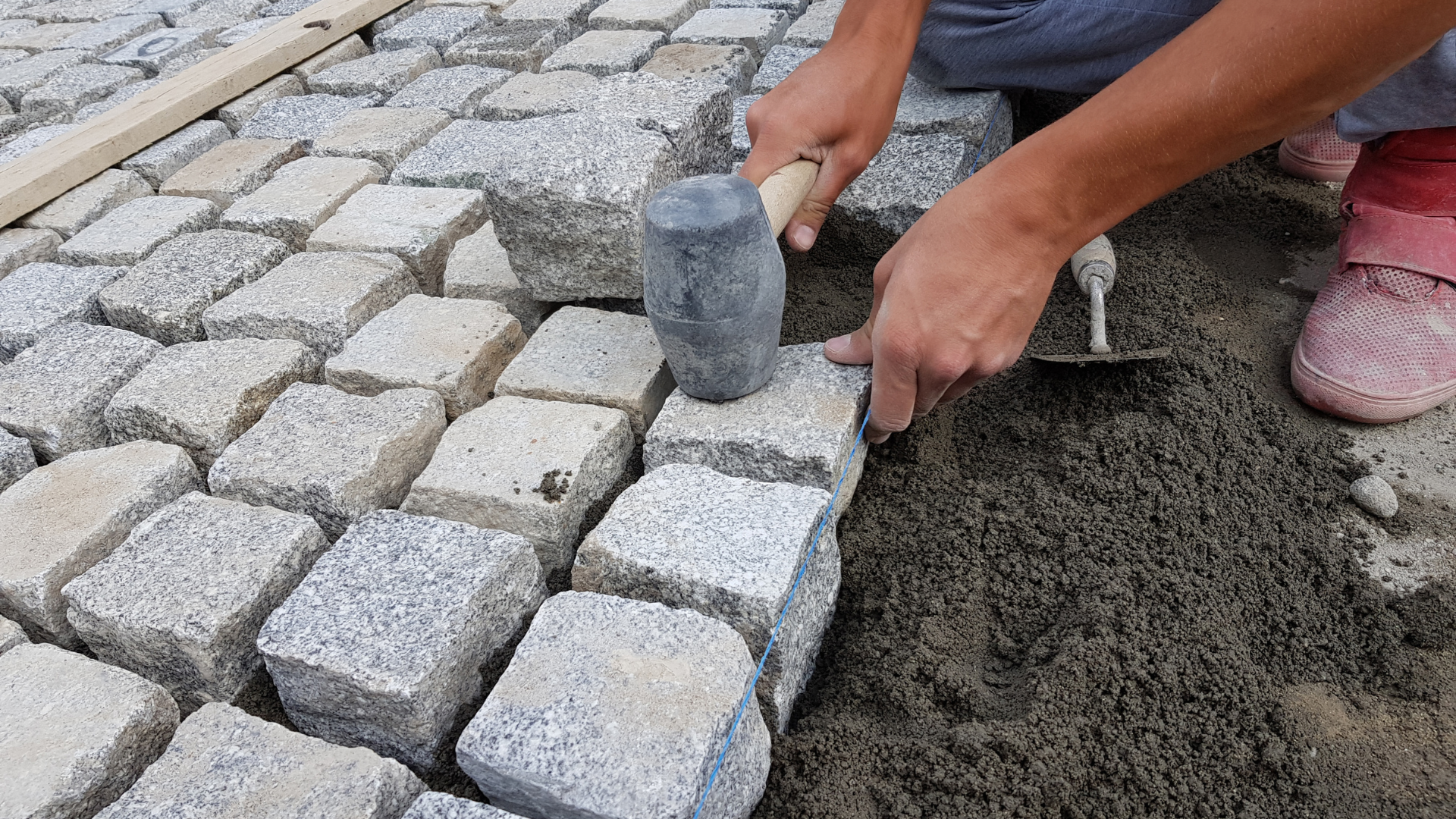
Concrete pavers require their own specific approach: a compacted aggregate base, generally following the same principles described above, topped with a thin, carefully leveled layer of bedding sand that the individual pavers are set into. Skimping on base compaction beneath pavers leads to the same shifting and settling problems as any other surface, even though pavers are installed as individual units rather than a single continuous slab.
Why Texas Makes This Step Even More Critical
As covered in our article on Texas heat, clay soil, and concrete installation, the expansive clay common throughout this region adds an extra layer of complexity to sub-base work that doesn't apply in regions with more stable soil. Proper excavation depth, soil stabilization where needed, and quality base material aren't optional extras here, they're essential steps for preventing the kind of soil-movement-related cracking and settling that's so common in Texas pavement when this stage is rushed.
How to Know If Your Contractor Is Doing This Right
Since sub-base work happens before the finished surface goes down, it's one of the hardest parts of a project for a property owner to evaluate after the fact. Asking the right questions upfront, a topic covered in more detail in our article on questions to ask before hiring a concrete contractor, is the most reliable way to confirm proper sub-base practices. Ask specifically about excavation depth, what base material will be used and how it will be compacted, whether work will be done in multiple lifts, and how soil conditions specific to your property will be addressed. A contractor who can answer these questions in specific, confident detail is generally one who takes this unglamorous but essential step seriously.
Pavetec Builds From the Ground Up
The most important part of any driveway, patio, or parking lot project is the part nobody ever sees once it's finished. At Pavetec, proper sub-base preparation isn't treated as an optional step to save time, it's the foundation our entire installation process is built around, for concrete, asphalt, and paver projects alike.
📍 Proudly serving Houston & Austin, TX
Want to know more about how we prepare the ground beneath your next project?
📞 Contact us at (832) 674-3996 or message us to schedule your free consultation.