
For many Texas homeowners and business owners, fall is the moment to finally tackle a driveway, patio, or parking lot project. The summer heat has broken, the schedule has opened up, and November is right around the corner. So is it actually a good month to pour concrete?
The short answer is yes, with some planning. November is often one of the better months of the year for concrete in Houston and Austin, but it comes with a few conditions worth understanding before you set a date. This guide covers what makes November attractive, what can go wrong, and how to make the most of the month.
Why November Works Well for Concrete
Concrete cures best in moderate temperatures, and November in most of Texas delivers that more reliably than summer does.
Milder daytime temperatures. Cooler highs mean less risk of the rapid surface drying, plastic shrinkage cracking, and differential curing that plague summer pours. Our article on Texas heat, clay soil, and concrete installation explains why heat is so hard on fresh concrete.
Slower, steadier curing. Moderate temperatures let concrete gain strength more gradually and evenly, which generally supports a denser, more durable surface.
Lower humidity and less rain. Compared with spring storms and the peak of hurricane season, November tends to offer more dry stretches, which makes scheduling more predictable.
More crew availability. The busy summer and early fall rush often eases, so contractors may have more flexibility to start on your preferred dates.
Less thermal stress. Placing concrete when temperatures aren't swinging wildly between extremes reduces the stress that leads to early cracking.
Our article on the best time of year to pour concrete in Austin and Houston compares all four seasons if you want the bigger picture.
The Risks to Plan Around
November isn't risk-free. The same transition that makes the month pleasant also makes it a little unpredictable.
Early cold snaps. Texas can see its first cold fronts in November, and occasionally an early freeze, especially inland and in the Austin area. Fresh concrete is vulnerable to freezing before it gains enough early strength. Industry guidance on cold weather concreting from the American Concrete Institute focuses on protecting concrete from early-age freezing damage, which is why contractors watch overnight lows closely, not just daytime highs.
Cool nights slow curing. Even without a freeze, chilly overnight temperatures can slow strength gain. That can push back finishing, sealing, and the date you can drive on the surface. Our article on how long concrete takes to cure explains the standard timeline, which can stretch in cooler weather.
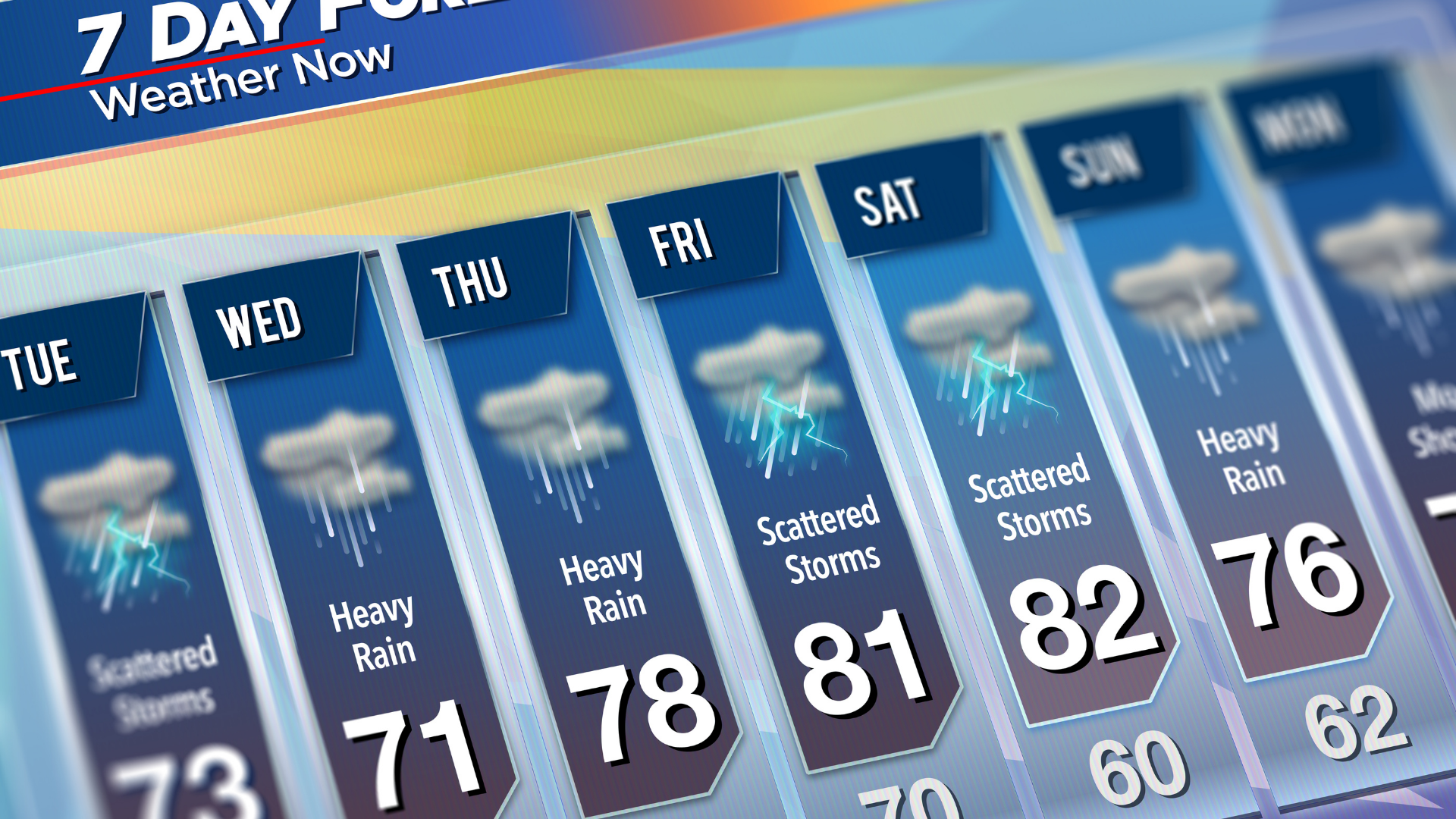
Late-season storms. Hurricane season officially runs through the end of November. Houston projects in particular can still see a stray tropical system or heavy rain event early in the month. Our article on preparing your concrete for hurricane season covers how to protect your property.
Shorter days. Less daylight means a smaller window for placing, finishing, and curing, which matters on larger pours.
Why Overnight Temperatures Matter Most
Homeowners often check the daytime forecast and assume conditions are fine. For concrete, the overnight low can matter more.
Concrete needs to stay above freezing during its earliest hours, when it has little strength and a lot of water in the mix. A pour finished in a warm afternoon can still be damaged if temperatures drop sharply that night and the slab isn't protected.
For that reason, crews typically check the National Weather Service forecasts for Houston and Galveston and Austin and San Antonio before committing to a pour date, with particular attention to overnight lows for the first few days after placement.
How Contractors Pour Safely in November
When conditions are marginal, a well-prepared crew has several tools available.
Schedule around the forecast. The simplest protection is choosing a stretch of mild nights, even if that means shifting the date by a few days.
Pour earlier in the day. Starting in the morning gives the concrete more warm hours to set before temperatures drop.
Adjust the mix. Mix designs can be modified to help concrete gain early strength in cooler conditions.
Use insulating blankets. Covering a finished slab holds in heat from hydration and shields it from overnight cold.
Avoid frozen ground. Concrete shouldn't be placed on frozen or very cold sub-base. Proper preparation remains essential, as covered in our article on why sub-base prep determines how long pavement lasts.
Protect during the first days. Early protection matters most, and a good contractor will plan it from the start.
What About Asphalt and Pavers in November?
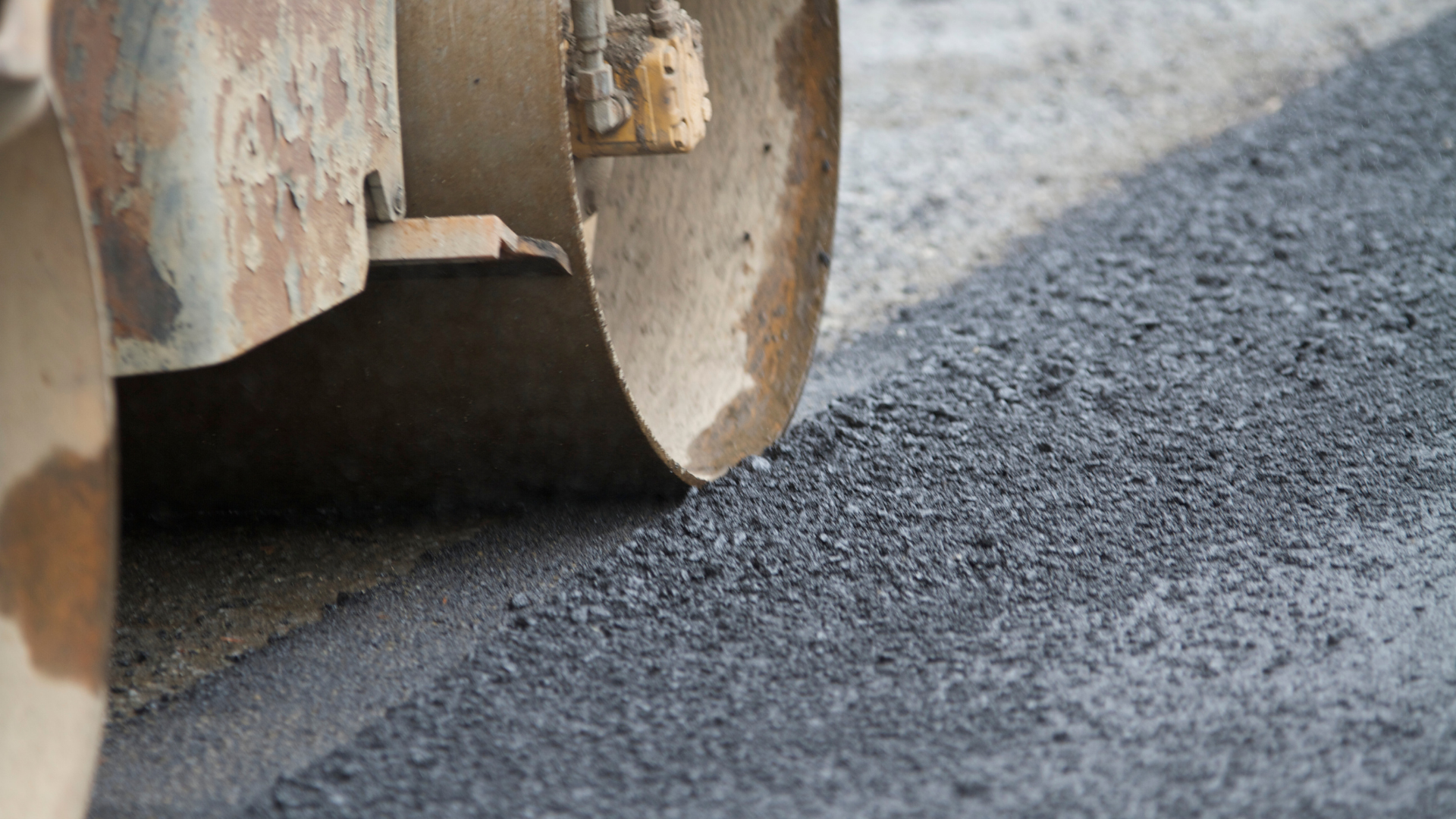
Asphalt behaves differently. It's placed hot and must be compacted before it cools, so cold air and cold ground make timing tighter. Cooler November days can still work well for asphalt paving, but crews watch temperatures closely because cool or wet conditions can prevent proper compaction. Our article on asphalt paving lifespan explains why compaction quality affects how long a surface lasts.
Concrete pavers are more forgiving of temperature swings since they're set on a compacted base instead of cured on site, though wet ground can still slow excavation and base work.
Tips for Planning a November Project
Book early. November is popular for people who want to finish before the holidays, so earlier requests secure better dates.
Stay flexible. Give your contractor a window instead of a single day so they can pick the best weather.
Ask about their cold weather plan. A good contractor will explain how they protect concrete if temperatures dip. Our guide to questions to ask before hiring a concrete contractor includes this topic.
Plan for later curing milestones. Expect that the time before you can drive on the surface may be a bit longer than in warm weather.
Think about holiday timing. If you're hosting guests or need a driveway ready by a certain date, build in extra buffer.
Our article on how weather delays affect paving timelines in Texas also covers what to expect if the forecast changes.
November vs. Other Months
Compared with summer, November is gentler on fresh concrete. Compared with spring, it's often drier and more predictable. Compared with December through February, it carries less risk of hard freezes, though early cold fronts are still possible.
For many projects, November sits near the sweet spot: comfortable enough to avoid heat damage, mild enough to avoid most freeze concerns, and open enough that scheduling is manageable. It rewards planning, but it's rarely a bad choice.
Plan Your November Project With Pavetec
November can be an excellent window for a new driveway, patio, or parking lot, as long as the plan accounts for overnight temperatures and the occasional early cold front. At Pavetec, we watch the forecast closely, adjust our process for cooler conditions, and never pour when it puts your results at risk, whether the project involves concrete, concrete pavers, or asphalt.
📍 Proudly serving Houston & Austin, TX
Thinking about a fall concrete project? Let's find the right window.
📞 Contact us at (832) 674-3996 or message us to schedule your free consultation.