
Most people can tell concrete and asphalt apart at a glance, one's gray, one's black, but far fewer could explain what each material is actually made of, or why those ingredients lead to such different performance, maintenance needs, and lifespans. Understanding the basic composition of both materials makes it much easier to understand why they behave the way they do, from how they cure to how they age under Texas heat and rainfall.
Here's a straightforward breakdown of what's actually in concrete and asphalt, and how those ingredients explain many of the differences covered in our other articles comparing the two materials.
What Is Concrete Actually Made Of?
Concrete is a composite material built from four main components:
Cement. Portland cement is the binding ingredient in concrete, produced by heating limestone and clay at extremely high temperatures and grinding the result into a fine powder. Cement itself isn't the bulk of the mixture, but it's the component responsible for holding everything else together once water is introduced.
Aggregate. This includes both fine aggregate, typically sand, and coarse aggregate, usually crushed stone or gravel. Aggregate makes up the majority of concrete's volume, generally somewhere in the range of 60 to 75 percent, and provides the bulk strength and stability of the finished material.
Water. Water triggers a chemical reaction with the cement called hydration, which is what actually causes concrete to harden and gain strength over time, a process explained in more detail in our article on how long concrete takes to cure. This is a genuine chemical transformation, not simply the mixture drying out.
Admixtures. These are optional ingredients added to adjust specific properties of the concrete. Air-entraining admixtures improve resistance to weathering, accelerators or retarders adjust how quickly the mix sets, and color pigments or fiber reinforcement can be added for decorative finishes or additional strength, topics covered in our articles on stamped and stained concrete and Pavetec's own mixing standards.
What Is Asphalt Actually Made Of?
Asphalt pavement, often just called asphalt, is a different kind of composite entirely, built primarily from two components:
Aggregate. Similar to concrete, asphalt relies on sand, gravel, and crushed stone for the bulk of its structure, typically making up the vast majority of the mixture by weight.
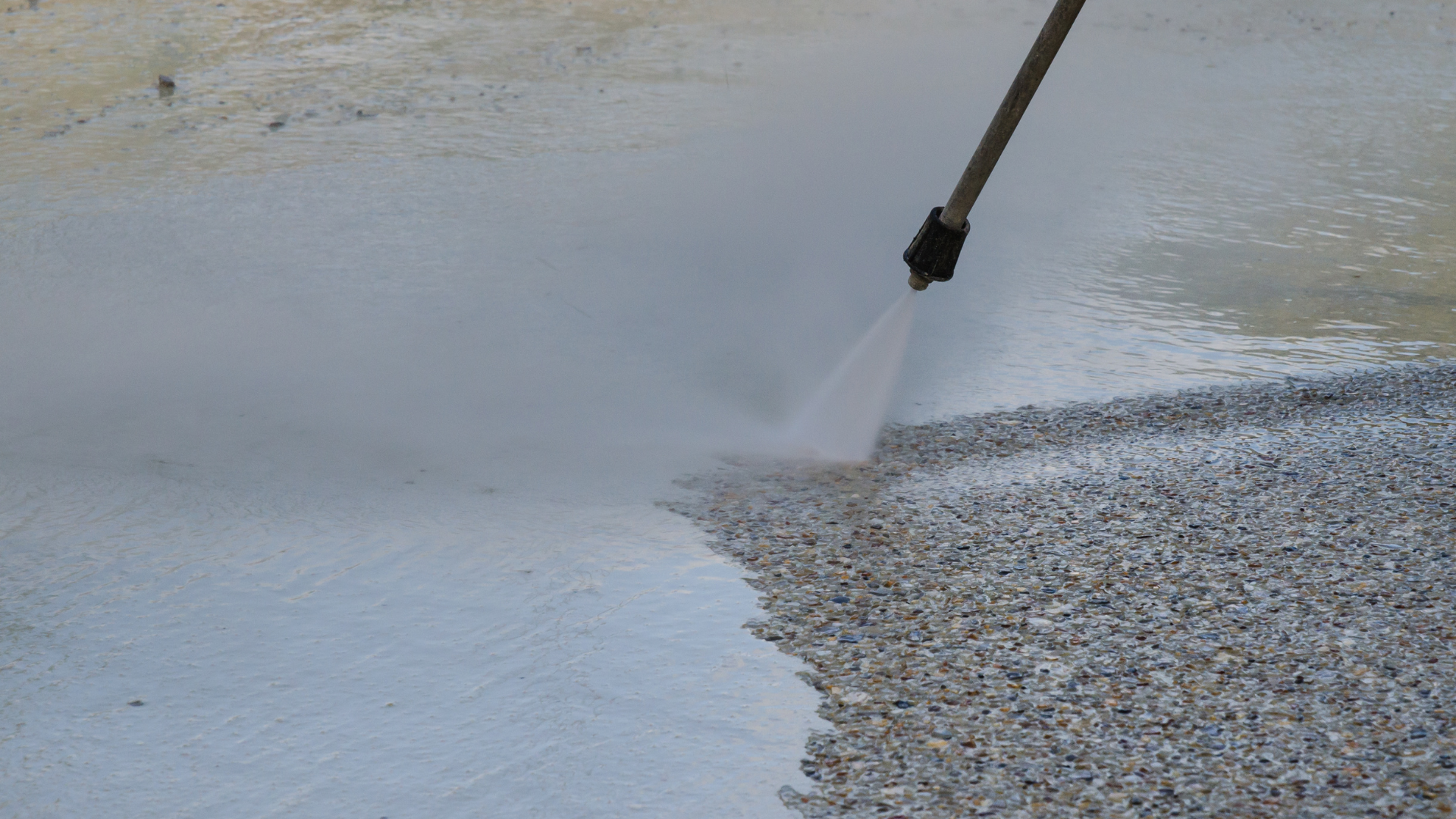
Asphalt binder. Often referred to as bitumen, this is a petroleum-based material that acts as the glue holding the aggregate together. The binder is what gives asphalt its distinctive black color and its characteristic flexibility, and it's also the component most responsible for how asphalt responds to heat, UV exposure, and aging over time, a relationship explored further in our articles on asphalt seal coating and what affects asphalt paving lifespan.
Additives. Many modern asphalt mixes include polymer modifiers blended into the binder to improve performance in extreme temperatures, which matters significantly in a climate like Texas's, where the material needs to resist both intense summer heat and occasional winter cold.
Unlike concrete, asphalt doesn't include water as a structural ingredient. Instead, it's mixed and applied while hot, allowing the heated binder to coat the aggregate evenly, then compacted and left to cool. As it cools, the binder hardens and binds the aggregate together, a physical cooling process rather than a chemical reaction.
Why This Composition Difference Explains So Much
Understanding these basic ingredients helps explain many of the practical differences between the two materials covered throughout our other articles:
Curing versus cooling. Concrete's hydration reaction continues for weeks after it's poured, which is why driving on it too soon can cause lasting damage, a process detailed in our article on concrete curing timelines. Asphalt, by contrast, is ready for use much sooner since it only needs to cool and compact rather than undergo an ongoing chemical transformation, though the binder continues to oxidize and harden gradually over the following months and years.
Heat sensitivity. Asphalt's petroleum-based binder is inherently more sensitive to temperature than concrete's cement paste, which is exactly why asphalt can soften slightly in intense Texas heat while concrete holds its shape more consistently, a distinction covered in our article on concrete versus asphalt driveways for Texas weather.
UV degradation. The same binder that makes asphalt flexible also makes it vulnerable to UV-driven oxidation over time, which is why seal coating is such an important part of asphalt maintenance, protecting that binder from breaking down prematurely under Texas's intense sun exposure.
Rigidity versus flexibility. Concrete's hardened cement paste creates a rigid structure, which gives it strong load-bearing capacity but makes it more prone to cracking when the ground beneath it shifts, a particular concern given Texas's expansive clay soil. Asphalt's more flexible binder allows it to tolerate minor ground movement without cracking as readily, though it comes with the heat-sensitivity trade-off described above.
Recyclability: A Shared Advantage
Both materials offer meaningful recycling potential, though through different processes. Asphalt is one of the most recycled materials in the country, since reclaimed asphalt pavement can be milled up, reheated, and blended back into new asphalt mixes, taking advantage of the fact that the binder can be softened and reused through heat alone. Concrete can also be recycled, typically by crushing removed concrete into aggregate that gets reused as base material for new paving or construction projects, though this process doesn't allow the cement paste itself to be reactivated the way asphalt binder can.
Grades and Variations Within Each Material
Neither concrete nor asphalt is a single, uniform product. Concrete comes in a range of PSI strength specifications matched to different applications, along with various admixture combinations for decorative finishes, faster curing, or enhanced durability, details covered in our article on Pavetec's quality standards for mixing, pouring, and finishing. Asphalt similarly comes in different binder grades suited to specific climate conditions, along with mix type variations like dense-graded asphalt for standard applications or porous, permeable asphalt designed to allow better water drainage through the surface itself.
Where Do Concrete Pavers Fit In?
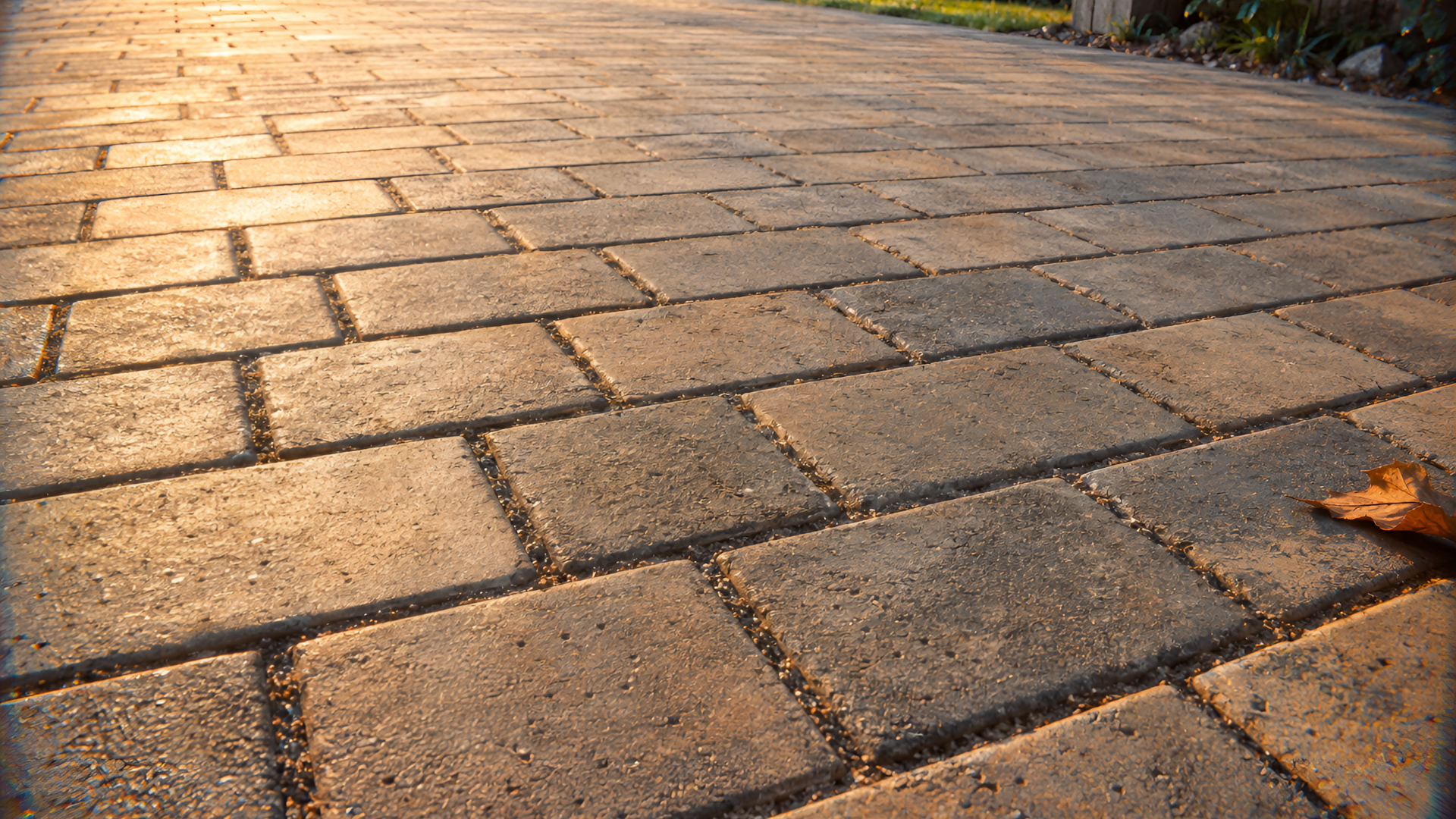
Concrete pavers are made from essentially the same basic ingredients as poured concrete, cement, aggregate, water, and often admixtures, but they're manufactured under controlled factory conditions rather than poured and cured on-site. This manufacturing process typically produces a denser, higher-strength unit than standard poured concrete, which is part of why pavers offer such strong durability and the practical advantage of individual replacement discussed in our article on stamped versus stained concrete and other paver-focused comparisons throughout our content.
Why This Matters When Choosing a Material
Knowing what's actually in concrete and asphalt isn't just interesting background, it directly explains why each material requires different maintenance schedules, performs differently under Texas heat and soil conditions, and carries different cost and lifespan expectations. Whether you're deciding between the two for a driveway, patio, or commercial parking lot, understanding these fundamentals makes it easier to have an informed conversation with your contractor about which option, or combination of options, actually fits your project.
Questions About Which Material Fits Your Project?
Understanding the materials is one part of the equation, matching them to your specific property, soil conditions, and budget is where experience really matters. At Pavetec, we help Houston and Austin property owners make sense of these material differences and choose the right option, concrete, asphalt, or pavers, for their specific project.
📍 Proudly serving Houston & Austin, TX
Still deciding which paving material is right for you?
📞 Contact us at (832) 674-3996 or message us to schedule your free consultation.