
Why "Cheap" Concrete Work Often Costs More Long-Term
When comparing quotes for a new driveway, patio, or paving project, it's natural to gravitate toward the lowest number. But concrete work is one of those investments where the cheapest option upfront often turns out to be the most expensive choice over time. A driveway or patio isn't a purchase you make every year, it's meant to last decades, and the quality of the installation determines whether it actually gets there or needs costly repairs within just a few years.
Understanding exactly what "cheap" concrete work tends to cut corners on, and what those shortcuts actually cost you down the line, makes it much easier to evaluate a quote based on real value rather than price alone.
What "Cheap" Concrete Work Usually Cuts Corners On
Not every low-cost provider is cutting corners, but when a quote comes in dramatically lower than others, it's often because one or more of these steps has been reduced, rushed, or skipped entirely.
Inadequate sub-base preparation. Proper excavation and compaction of the base layer beneath concrete takes time, equipment, and labor, all of which add cost. Skipping or rushing this step is one of the most common shortcuts in low-cost concrete work, and it's also one of the most consequential, since an unstable base is a leading cause of early cracking and settling, particularly in Texas's expansive clay soil.
Thinner slabs than recommended. Using less concrete by pouring a thinner slab reduces material costs but also reduces the surface's ability to handle vehicle weight and resist cracking under stress, especially for driveways that will regularly support cars or trucks.
Lower-quality or diluted concrete mix. Concrete strength is measured in PSI, and using a lower-grade mix, or adding excess water to make the concrete easier and faster to pour, weakens the final product significantly, even though it may look identical to a properly mixed slab immediately after finishing.
Missing or improperly spaced control joints. Control joints guide where shrinkage cracking occurs as concrete cures. Skipping this step, or spacing joints incorrectly to save time, often results in random, unsightly cracking across the surface rather than clean, controlled joint lines.
Insufficient reinforcement. Rebar or wire mesh helps distribute stress across a slab and resist cracking from soil movement. Reducing or eliminating reinforcement lowers material costs but significantly increases the risk of structural cracking over time.
Rushed curing practices. Proper curing, particularly during Texas's intense summer heat, requires active moisture management and patience before opening a new surface to vehicle traffic. Rushing this process to finish a project faster often results in surface cracking and a weaker overall cure.
Poor drainage and grading. Correctly grading a surface to direct water away from your home takes careful planning and execution. Skipping this step to save time can lead to pooling water, erosion beneath the slab, and water intrusion toward your foundation.
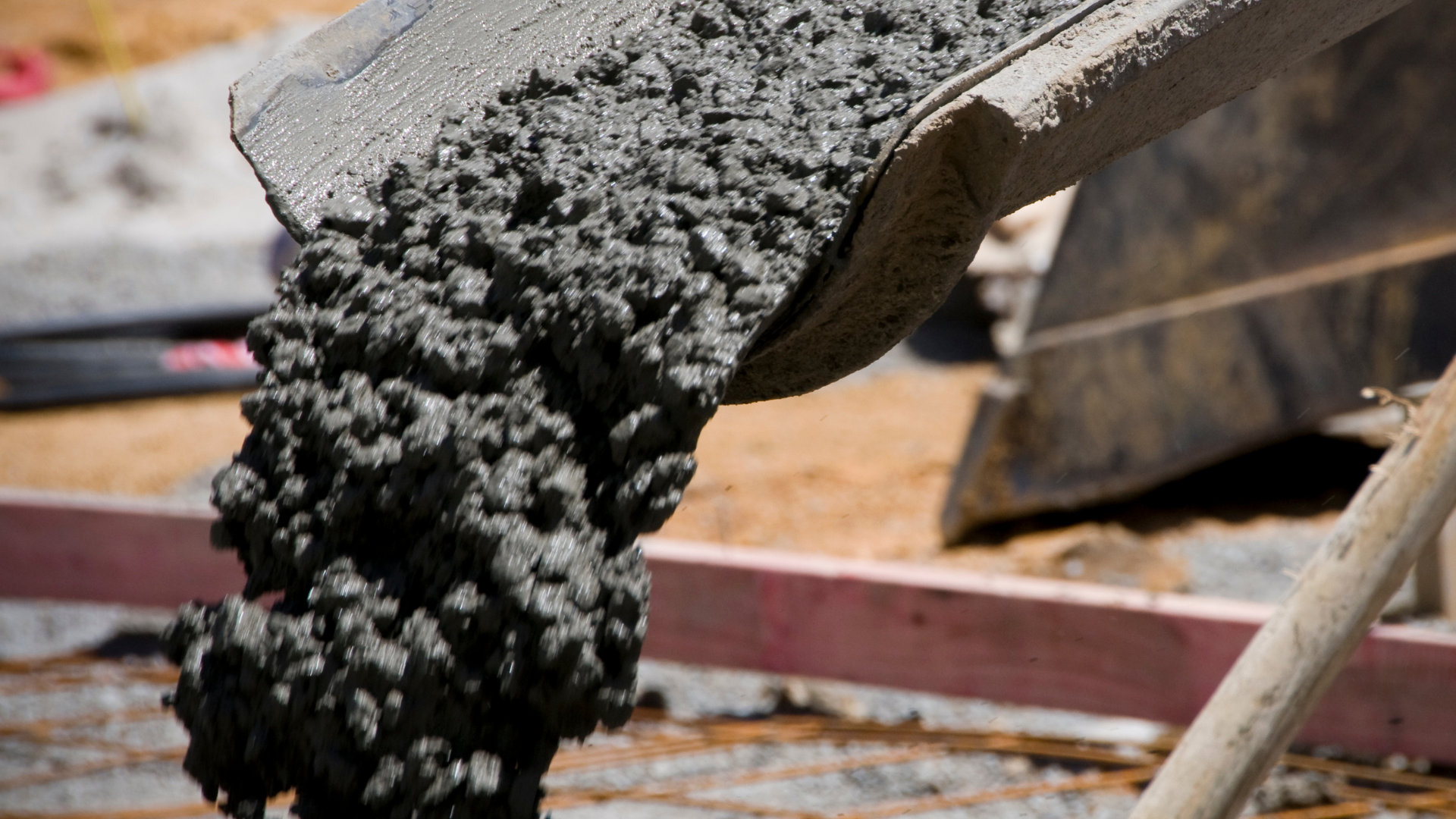
The Real Cost of Cutting These Corners
Properly installed concrete, with adequate sub-base preparation, correct slab thickness, quality mix design, and proper reinforcement, is built to last several decades with only routine maintenance. Concrete installed with shortcuts in one or more of these areas often shows visible problems, cracking, settling, or surface deterioration, within the first few years rather than the first few decades.
Once early damage appears, homeowners are typically left with two options: ongoing patch repairs that accumulate in cost over time without fully resolving the underlying issue, or a full replacement years, sometimes decades, earlier than should have been necessary. Either path usually ends up costing significantly more in total than paying for proper installation from the start would have.
Hidden Costs Beyond the Repair Itself
The direct cost of fixing or replacing poorly installed concrete is only part of the picture. A few less obvious costs are worth considering as well:
Water damage to your foundation. Cracks and poor drainage from a poorly installed driveway or patio can direct water toward your home's foundation rather than away from it, potentially contributing to the kind of foundation issues covered in our article on foundation warning signs, a much larger and more expensive problem than the original paving project.
Liability and safety risk. Uneven, cracked, or settling concrete creates a tripping hazard. For homeowners, this is a safety concern for family and visitors. For business owners, as discussed in our article on commercial concrete services, this kind of hazard can create real liability exposure on a customer-facing property.
Reduced curb appeal and resale value. A cracked, uneven, or visibly deteriorating driveway or patio is one of the first things potential buyers notice, and it can affect a home's perceived value even if the rest of the property is well maintained.
More frequent maintenance. A poorly installed surface often requires more frequent sealing, patching, and upkeep just to keep it functional, adding ongoing cost that a properly installed surface wouldn't require nearly as often.
Budget-Friendly Doesn't Have to Mean Corner-Cutting
It's worth drawing a clear distinction here: choosing a more budget-conscious option isn't the same as choosing a poorly installed one. There are plenty of legitimate ways to manage cost without compromising structural quality.
Opting for a simple broom finish instead of a decorative stamped pattern, choosing asphalt paving for a large driveway instead of poured concrete, or using concrete pavers only as an accent border rather than across an entire patio, are all reasonable ways to control cost while still receiving a properly installed, structurally sound result. The distinction that matters is whether the fundamentals, sub-base preparation, adequate reinforcement, correct mix design, and proper curing, are being done correctly, not which finish or material was chosen.
How to Evaluate a Quote Based on Value, Not Just Price
When comparing quotes, it helps to ask direct questions about what's actually included, similar to the guidance in our article on questions to ask before hiring a concrete contractor. Specifically ask about sub-base preparation methods, concrete mix specifications, reinforcement plans, and curing timelines. A significantly lower quote that can't clearly explain how it maintains quality in these areas is a strong signal that corners are likely being cut somewhere in the process.
It's also worth asking directly: what happens if this driveway cracks or settles within the first two years? A contractor confident in their installation process should offer a workmanship warranty that reflects that confidence, while a contractor unwilling to stand behind their work with a warranty is often the same one cutting corners to hit a lower price point.
Concrete, Pavers, and Asphalt: Value Applies to All Three
This principle isn't unique to poured concrete. Asphalt paving done properly, with adequate base preparation and correct compaction, offers strong long-term value at a lower material cost, but cutting corners on base preparation leads to the same kind of premature cracking and rutting concrete experiences when installed poorly. Concrete pavers, when installed with proper base compaction and edge restraints, offer excellent durability and easy long-term repairability, but a rushed installation without proper base work can lead to shifting, uneven pavers within just a year or two.
The material matters less than the quality of the installation process behind it, which is exactly why evaluating a contractor's process, not just their price, is the more reliable way to protect your investment.
Choose Value That Lasts With Pavetec
A properly installed driveway, patio, or commercial surface is built to perform for decades with minimal maintenance, while a rushed, corner-cutting installation often ends up costing more once repairs and early replacement are factored in. At Pavetec, we don't compete on being the cheapest option, we compete on delivering concrete, paver, and asphalt installations built to actually last, backed by a process and warranty we're confident standing behind.
📍 Proudly serving Houston & Austin, TX
Want a quote that reflects real, lasting value rather than the lowest possible price?
📞 Contact us at (832) 674-3996 or message us to schedule your free consultation.