
Concrete Patios 101: Design Ideas for Texas Backyards
A well-designed patio does more than add square footage to your backyard, it becomes the space where dinners happen, kids play, and weekends unwind. In Texas, where outdoor living is practically a year-round activity, a concrete patio needs to do double duty: look great and hold up against intense sun, sudden storms, and heavy day-to-day use.
Concrete remains one of the most popular choices for Texas patios because it offers exactly that combination, durability paired with an enormous range of design possibilities. Whether you're starting from a blank backyard or replacing an aging slab, here's a practical guide to the design options, layout considerations, and climate-specific details worth thinking through before your project begins.
Why Concrete Works So Well for Texas Patios
Concrete's biggest advantage for outdoor living spaces is its versatility. Unlike a single fixed material option, concrete can be finished, colored, textured, or patterned in dozens of ways, allowing a patio to match nearly any home style or backyard vision. It also holds up well structurally against Texas's soil movement and heat when properly installed, and it requires far less ongoing maintenance than materials like wood decking, which face rot, warping, and pest issues in Texas's humid climate.
Climate Considerations Before You Design
Before choosing a finish or layout, it helps to understand how Texas's climate should influence your patio design decisions.
Heat and surface temperature.Dark-colored concrete absorbs more heat and can become uncomfortably hot underfoot during summer months, especially around pool decks or seating areas where bare feet are common. Lighter colors and certain reflective sealants help keep surface temperatures more manageable.
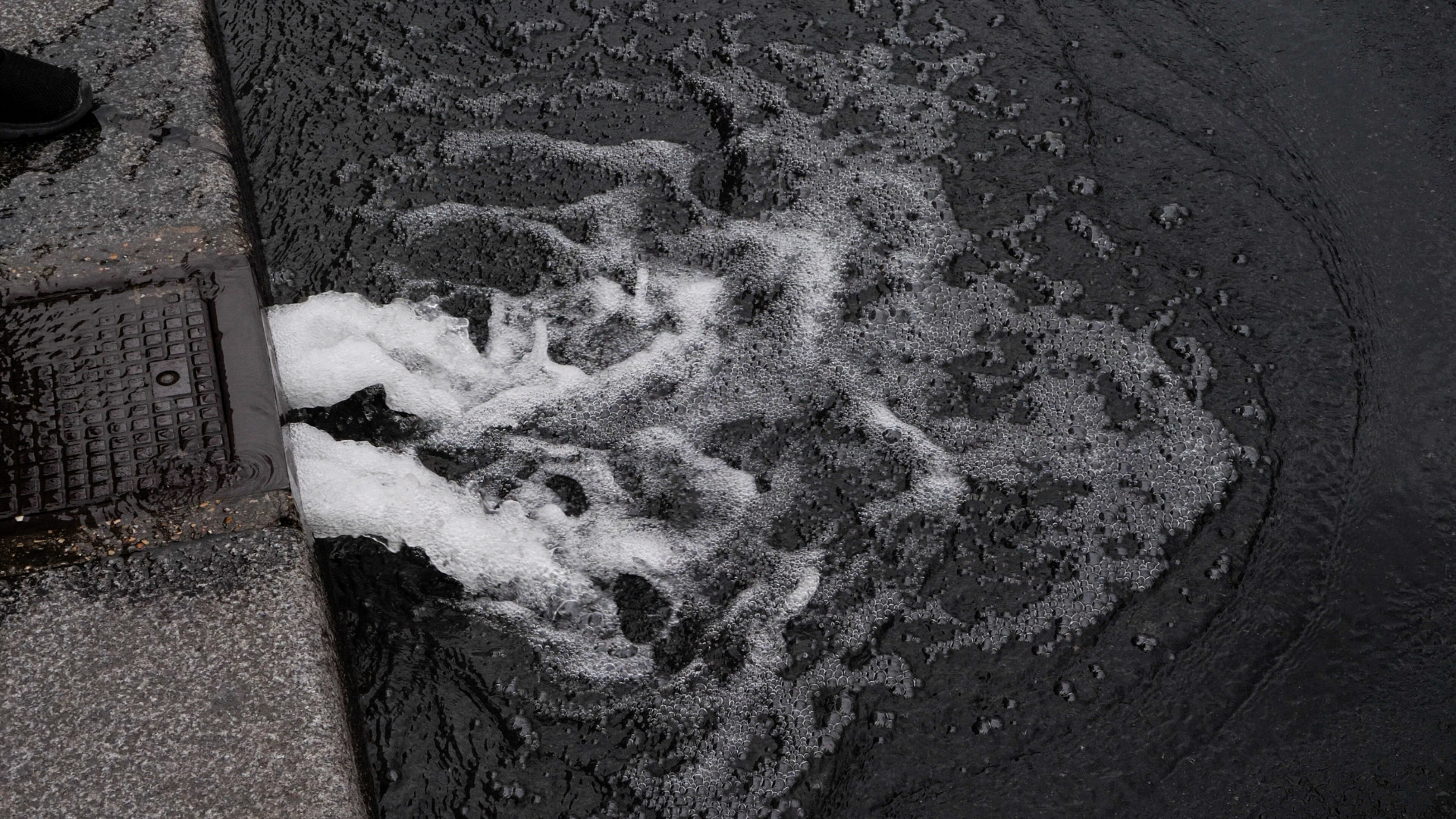
Sudden heavy rainfall. Texas storms can be intense and fast-moving, so proper grading and drainage planning are essential from the start. This is also where permeable design options, discussed below, become especially useful.
Humidity and shade. Covered or shaded patio areas retain moisture longer, which can affect how quickly certain finishes weather over time and may influence sealant choice for those specific zones.
Sun exposure throughout the day. Understanding how sun moves across your backyard helps determine where shade structures, seating, or a covered patio section will get the most use and comfort throughout a Texas summer.
Popular Concrete Patio Finishes
Stamped concreteremains one of the most popular choices for Texas patios, offering the textured look of natural stone, brick, or wood at a fraction of the material cost. It works particularly well for larger patio areas where a bold, high-impact design sets the tone for the whole backyard.
Stained concreteoffers a smoother, more contemporary look, ideal for covered patios or modern home designs where a rich, variegated color adds visual interest without heavy texture. Stained finishes also tend to stay cooler underfoot than darker stamped textures, since staining typically produces a lighter overall surface tone than deep integral coloring.
Broom-finished concreteis a simple, budget-friendly option that still offers slip resistance and a clean look, often used as a practical base finish for larger patios where budget is a bigger priority than decorative detail.
Concrete paversbring a different kind of versatility to patio design. Because they're installed as individual units, pavers allow for intricate patterns, color mixing, and even curved layouts that would be far more difficult to achieve with a poured slab. They also offer a practical drainage advantage, since the joints between pavers allow water to filter through to the base rather than pooling on the surface, which is especially valuable during Texas's heavier rain events.
Designing for How You'll Actually Use the Space
Before finalizing a layout, think through how your patio will function day to day. Most well-designed Texas patios are built around a few key zones:
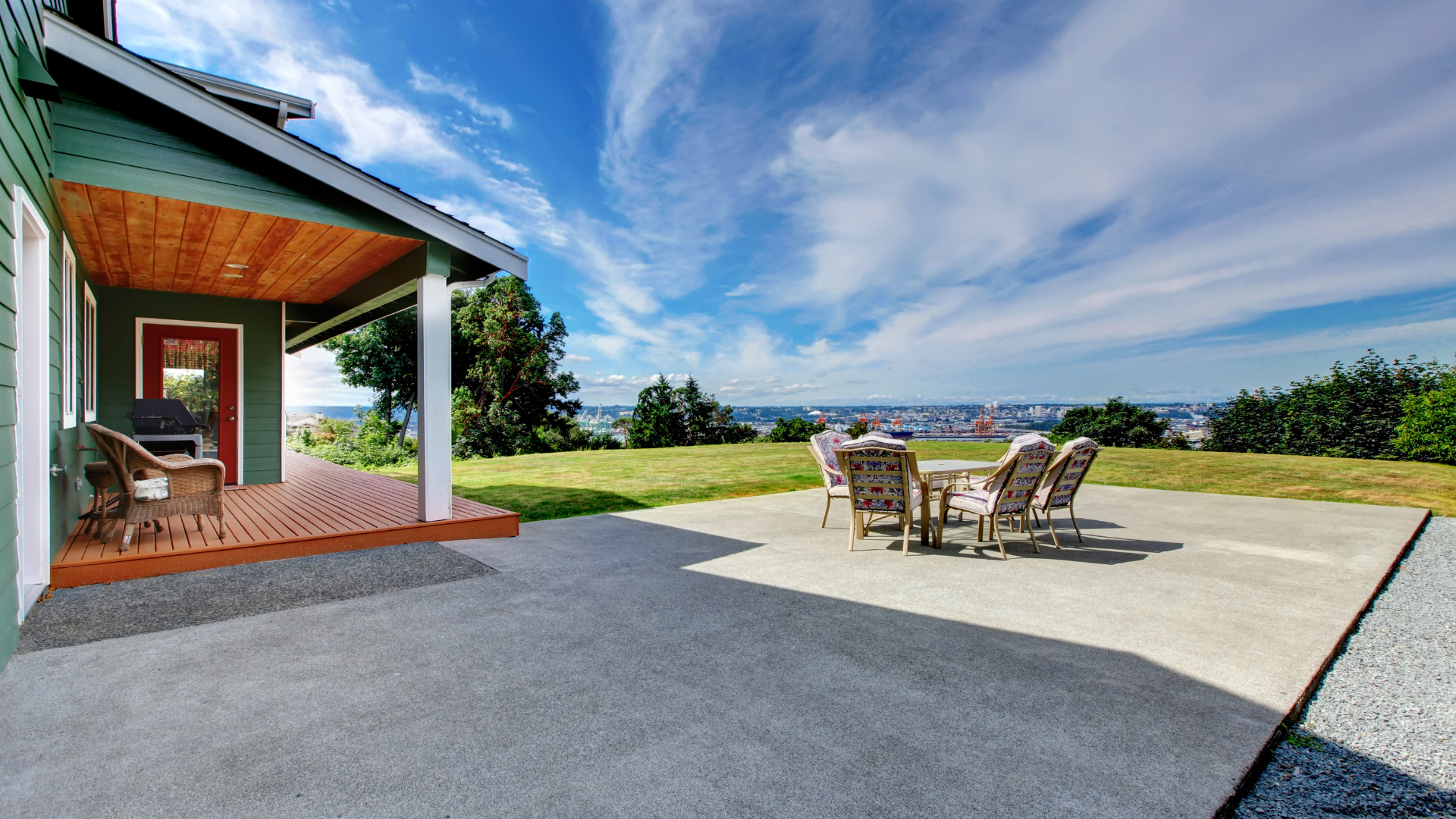
Dining and cooking areas.If an outdoor kitchen or grill setup is part of the plan, this zone typically needs a slightly larger footprint and should be positioned with utility access, gas lines, or electrical needs planned in from the start, since retrofitting these after the concrete is poured is far more disruptive.
Lounge and seating areas. A separate, slightly more intimate space for lounge furniture or a fire pit setup often benefits from a different finish or color accent to visually distinguish it from the dining area, even within a single connected patio.
Pool deck areas, if applicable, require particular attention to slip resistance and surface temperature, since bare feet and wet conditions make texture and color choice especially important in this zone.
Using color changes, borders, or a mix of stamped and plain concrete sections is a popular way to define these different zones without physically separating the patio into disconnected spaces.
Layout Tips for Texas Backyards
Plan around existing shade. If mature trees already provide natural shade in part of your yard, designing your patio to take advantage of that existing coverage can meaningfully improve comfort during peak summer heat without needing to build a separate structure.
Consider a covered section. Many Texas homeowners pair at least part of their patio with a pergola, covered porch extension, or shade structure, allowing outdoor use to continue comfortably even during the hottest parts of the day.
Leave room for airflow. Fully enclosed or tightly walled-in patio designs can trap heat. Open layouts with strategic shade tend to stay more comfortable throughout a Texas summer.
Account for drainage slope. Every patio design needs a slight slope away from the home's foundation, generally worked into the concrete's grading during installation, to prevent water pooling near the house during heavy rain.
Budget-Friendly Design Strategies
A stunning patio doesn't require the most expensive finish across the entire surface. A few strategies help control cost while still achieving a custom, high-end look:
Use decorative finishes as accents rather than covering the entire patio. A stamped or paver border framing a broom-finished or plain concrete center can dramatically improve visual appeal at a fraction of the cost of a fully decorative surface.
Mix materials strategically. Pairing a poured concrete slab for the main patio area with a concrete paver walkway or accent border is a popular way to combine durability, design interest, and budget management.
Start with the structural essentials and add decorative elements over time. A well-installed plain concrete slab can always be resurfaced or enhanced with staining later, giving homeowners flexibility to phase a larger design vision across multiple projects if needed.
What About Asphalt?
Asphalt isn't typically used for patio surfaces due to its dark color, heat retention, and limited design flexibility compared to concrete and pavers. However, it remains a practical, cost-effective option if your project also includes an adjoining driveway or parking area, and pairing a concrete or paver patio with an asphalt driveway is a common way to balance design priorities with overall project budget.
Bringing Your Texas Patio Design to Life
The best patio designs strike a balance between how the space looks and how it actually performs through Texas's heat, sudden storms, and daily use. Getting the grading, drainage, and material choice right from the start makes the difference between a patio that stays beautiful for decades and one that needs early repairs.
At Pavetec, we help homeowners walk through finish options, layout planning, and material choices to design a concrete or paver patio built specifically for how their backyard will be used and for the Texas climate it has to withstand.
📍 Proudly serving Houston & Austin, TX
Ready to start planning your Texas backyard patio?
📞 Contact us at (832) 674-3996 or message us to schedule your free consultation.