
Stamped vs. Stained Concrete: Which Fits Your Home's Style?
Plain gray concrete has come a long way. Today, decorative concrete finishes let homeowners create driveways, patios, and pool decks that look like natural stone, brick, slate, or polished marble, all while keeping the durability and cost advantages of a concrete base. Two of the most popular decorative options are stamped concrete and stained concrete, and while they're sometimes confused with each other, they achieve very different effects and suit different goals.
If you're planning a new patio, updating a driveway, or considering a full backyard renovation, understanding how stamped and stained concrete differ, and which one fits your home's architectural style, budget, and maintenance expectations, will help you make a confident decision before construction even begins.
What Is Stamped Concrete?
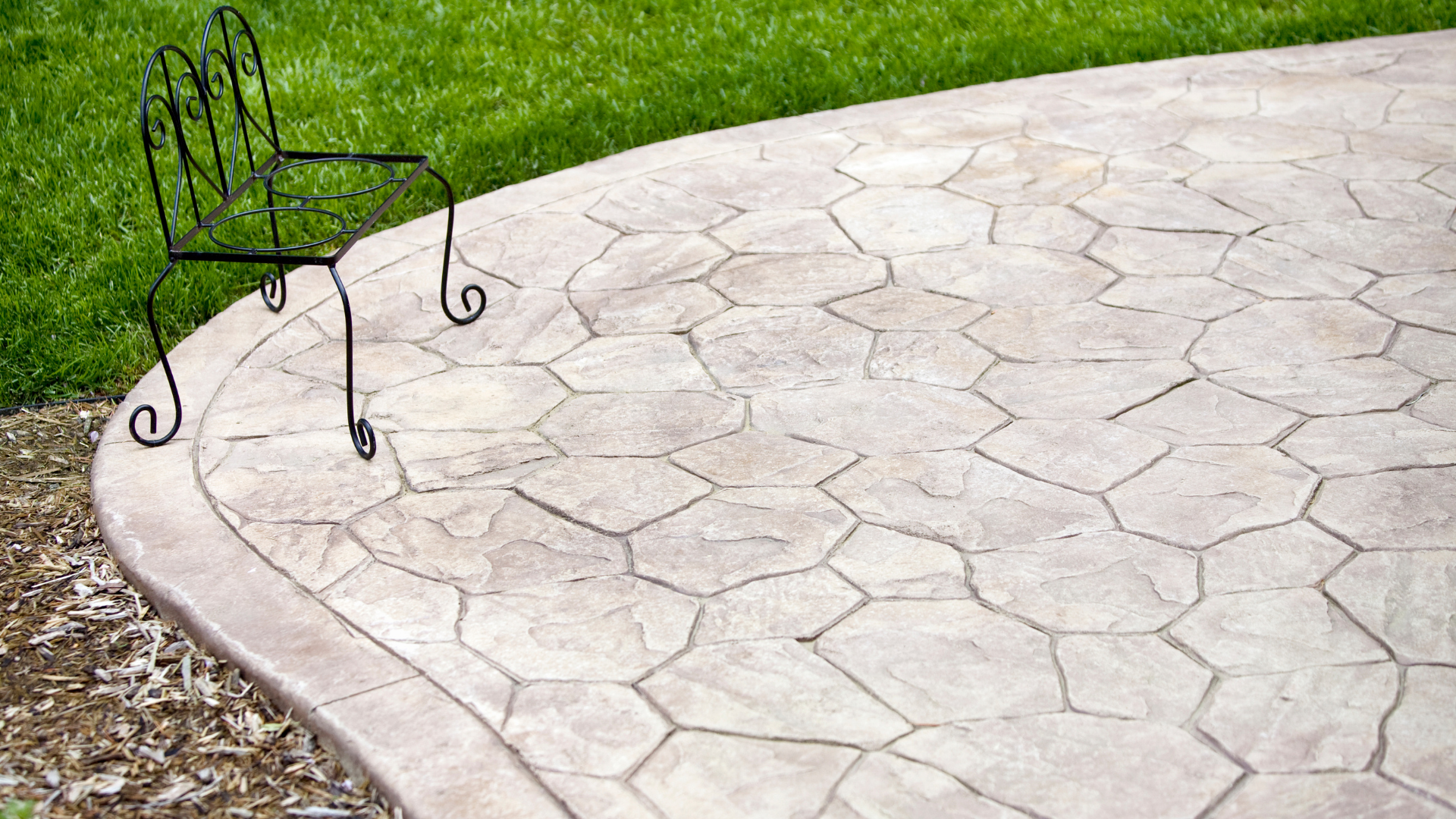
Stamped concrete is a texturing technique applied to freshly poured concrete while it's still workable. Large rubber or polyurethane stamps are pressed into the surface to create the look and texture of natural materials like flagstone, cobblestone, brick, wood planks, or even tile. Color is typically added through a combination of integral color mixed into the concrete itself and a release agent applied during the stamping process, which also helps create subtle shading and depth.
The result is a surface with genuine three-dimensional texture, not just a printed or painted pattern, but an actual raised-and-recessed surface that closely mimics the material it's designed to replicate. Stamped concrete is especially popular for driveways, pool decks, and large patio areas where a bold, high-impact design element is the goal.
What Is Stained Concrete?
Stained concrete takes a different approach entirely. Rather than adding texture, staining is a color treatment applied to the surface of existing or new concrete. There are two primary types:
Acid stains react chemically with the minerals in the concrete, creating a translucent, variegated color effect with natural-looking mottling and depth. No two acid-stained surfaces look exactly alike, since the reaction depends on the concrete's unique composition.
Water-based stains offer a more consistent, controllable color range with a broader palette, including brighter and more uniform tones than acid staining typically achieves.
Because staining doesn't add texture, the surface remains smooth, which makes it a popular choice for interior concrete floors, covered patios, and pool decks where a refined, understated look is preferred over a highly textured finish.
Comparing the Look: Bold Texture vs. Subtle Color
The most obvious difference between the two options comes down to visual impact. Stamped concrete makes a statement, it's designed to closely resemble another material entirely, and works well for homeowners who want their driveway or patio to look like natural stone or brick without the higher material and labor costs those options typically involve.
Stained concrete offers a more understated, elegant effect. Rather than mimicking another material, it enhances the concrete's own natural surface with rich, variegated color. This makes it a strong choice for homeowners who prefer a modern, minimalist, or contemporary aesthetic where texture isn't the focus.
Which Fits Different Home Styles?
Traditional and rustic homes often pair well with stamped concrete patterns that mimic natural stone, cobblestone, or brick, reinforcing a classic, established look that complements traditional architecture.
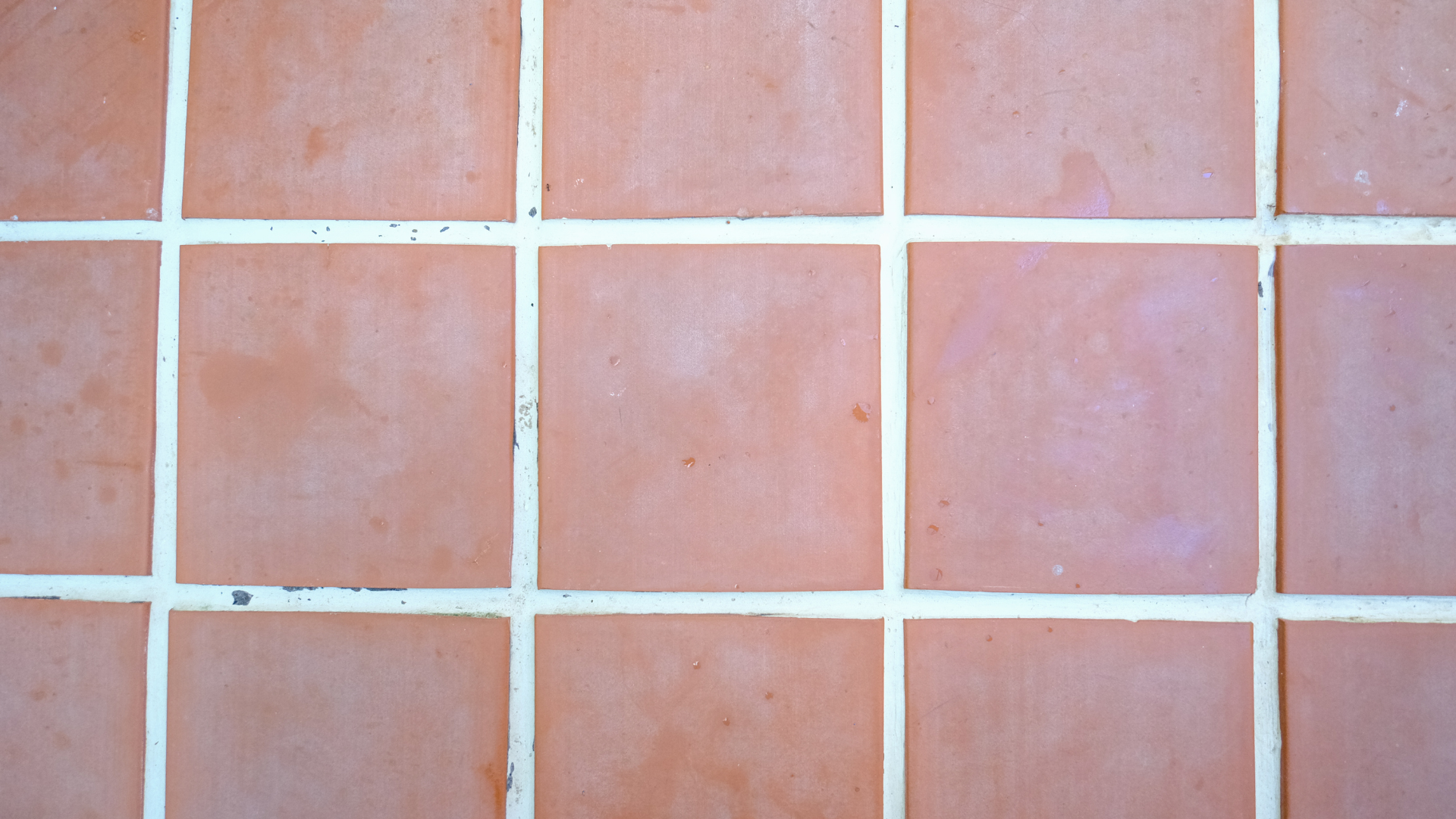
Mediterranean and Spanish-style homes frequently benefit from stamped concrete designed to resemble terracotta tile or textured stone, echoing the warm, earthy palette common in this architectural style.
Modern and contemporary homes tend to pair especially well with stained concrete, since the smooth, richly colored surface complements clean lines and minimalist design without competing with the home's architectural simplicity.
Transitional homes, which blend traditional and modern elements, can often work well with either option, or even a combination of both, depending on which areas of the home the concrete surface is adjacent to.
Durability and Long-Term Performance in Texas
Both stamped and stained concrete offer strong durability when properly installed and sealed, but there are some practical differences worth considering, especially given Texas's intense heat and UV exposure.
Stamped concrete's textured surface can help with slip resistance in areas like pool decks, though texture depth and sealant choice both play a role in how slip-resistant the final surface actually is. Over time, deep stamped textures can also require more attention during cleaning, since dirt and debris can settle into the recessed pattern.
Stained concrete's smooth surface is generally easier to clean and maintain, but color can be more susceptible to fading from prolonged UV exposure if not properly sealed and periodically resealed. In Texas's high-sun climate, choosing a UV-resistant sealant and planning for resealing every few years helps preserve color vibrancy on stained surfaces.
Both options require periodic resealing, generally every two to three years for high-traffic areas like driveways, to protect against staining, moisture penetration, and general wear.
Cost Comparison
Stamped concrete typically costs more than stained concrete due to the additional labor involved in the texturing process, along with the cost of stamps, release agents, and often a more involved color layering technique. However, it remains significantly less expensive than authentic natural stone or brick installation while achieving a similar visual effect.
Stained concrete is generally the more budget-friendly decorative option, particularly for homeowners looking to upgrade the appearance of an existing concrete slab without a full replacement, since staining can often be applied directly to concrete that's already in good structural condition.
Can You Combine Stamped and Stained Concrete?
Yes, and it's a popular approach for homeowners who want the best of both. Many stamped concrete projects incorporate staining techniques to add additional depth, variation, and realism to the finished pattern, going beyond what integral color and release agents alone can achieve. This combination is especially common for high-end patio and pool deck projects where a highly realistic, natural stone appearance is the goal.
What If Neither Fits Your Budget or Goals?
If decorative concrete treatments feel like more investment than your project calls for, it's worth considering the alternatives. Concrete pavers offer their own wide range of colors, patterns, and textures, along with the practical advantage of easy section-by-section replacement if a paver becomes damaged, something neither stamped nor stained concrete offers once installed as a single slab. For homeowners prioritizing budget over decorative finish entirely, standard asphalt paving remains a practical, cost-effective option for driveways, though it doesn't offer the same design flexibility as concrete-based options.
Choosing the Right Option for Your Project
A few questions can help narrow down the right choice:
Do you want your surface to mimic another material, like stone or brick? Stamped concrete is likely the better fit.
Do you prefer a smooth, richly colored surface that complements modern design? Stained concrete typically achieves this more effectively.
Is this an existing slab in good condition? Staining is often more practical for refreshing existing concrete without a full replacement.
Is slip resistance a priority, such as around a pool? Stamped concrete's texture can offer an advantage, depending on the specific pattern and sealant used.
Let PaveTec Help You Decide
Choosing between stamped and stained concrete comes down to your home's architectural style, how the space will be used, and your long-term maintenance preferences. At PaveTec, we help homeowners explore pattern, color, and finish options in person, so you can see exactly how each choice will complement your home before any work begins.
📍 Proudly serving Houston & Austin, TX
Ready to explore decorative concrete options for your driveway, patio, or pool deck?
📞Contact us at (832) 674-3996 or message us to schedule your free consultation.