
Concrete vs. Asphalt Driveways: Which Is Better for Texas Weather?
If you're planning a new driveway or replacing an old one, you've likely landed on the same question most Texas homeowners face: concrete or asphalt? Both are proven, widely used paving materials, but they perform very differently once you factor in Texas's specific climate, which swings from triple-digit summer heat to sudden heavy rainfall and the region's notoriously shifting clay soil.
The right choice depends on more than just upfront cost. Climate resistance, long-term maintenance, lifespan, and even how each material handles our local soil conditions all play a role. In this guide, we'll compare concrete and asphalt driveways across the factors that matter most in Texas, so you can make a confident, informed decision for your property.
How Texas Weather Puts Driveways to the Test
Before comparing materials, it helps to understand exactly what a driveway in Houston or Austin has to withstand:
Extreme summer heat, often exceeding 100°F for weeks at a time
High humidity, which affects curing, sealing, and material expansion
Heavy, sudden rainfall and occasional flooding, especially in the Houston area
Expansive clay soil, which swells when wet and contracts when dry, putting constant pressure on whatever sits above it
Freeze-thaw cycles, though less frequent than northern states, still occur during Texas winters
Every driveway material reacts differently to these conditions, which is exactly why this decision shouldn't be based on price alone.
Heat Resistance: Concrete Has the Edge
Asphalt is petroleum-based, which means it naturally softens in extreme heat. During peak Texas summers, asphalt driveways can become slightly pliable under direct sun, making them more prone to rutting, tire imprints, and surface deformation, especially in areas where vehicles sit parked in the same spot for long periods.
Concrete, by contrast, holds its shape and structural integrity in high heat far better. It doesn't soften or become tacky in the sun, which makes it a strong choice for homeowners in areas with long, intense summers. That said, concrete's light color does have a practical bonus: it reflects more sunlight than dark asphalt, keeping surface temperatures noticeably cooler underfoot and reducing heat radiating toward your home's exterior.
Handling Heavy Rain and Drainage
Texas storms can drop several inches of rain in a short window, and driveway drainage becomes critical during these events. Asphalt's slightly flexible nature and porous surface option (permeable asphalt) can allow for better water absorption in some installations, reducing runoff and pooling.
Standard poured concrete is less permeable, so proper grading and slope during installation are essential to prevent water from pooling near your garage or foundation. However, concrete pavers offer a strong middle ground here: the joints between individual pavers naturally allow water to filter through to the base layer, improving drainage while still offering the durability of a concrete-based product. For homeowners concerned about flooding or poor yard drainage, discussing a permeable paver layout with your contractor is worth considering.
Soil Movement and Cracking
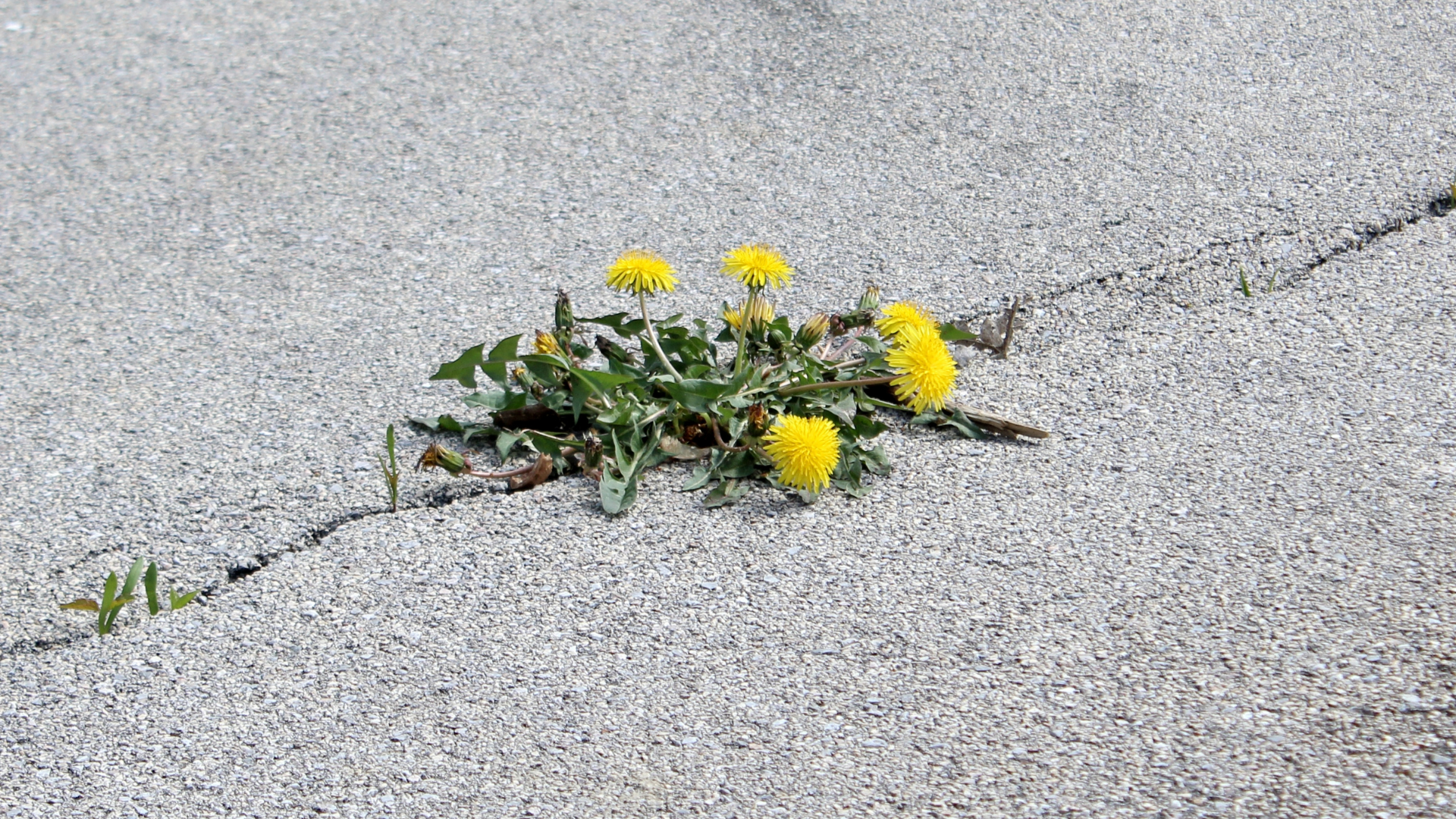
This is where Texas's expansive clay soil becomes the deciding factor for many homeowners. As clay soil absorbs moisture, it swells; as it dries out, it contracts. That constant movement puts pressure on whatever surface sits above it.
Asphalt has more natural flexibility, which allows it to handle minor soil shifting without cracking as easily as a rigid material. Concrete is more rigid overall, which means significant soil movement can eventually lead to cracking if the base wasn't properly compacted and prepared before the pour. This is why proper site preparation, including sub-base compaction and control joints, is especially critical for concrete driveways installed on Texas soil. A qualified concrete contractor will always assess your soil conditions before recommending a material or installation approach.
Interlocking concrete pavers offer an interesting advantage here too: because they're installed as individual units rather than one solid slab, minor ground movement is less likely to cause visible cracking, and any shifted pavers can be lifted and reset without repairing the entire driveway.
Lifespan Comparison
When properly installed and maintained, here's what homeowners can generally expect:
Asphalt driveways: 15 to 20 years, with resealing recommended every 2 to 3 years
Poured concrete driveways: 25 to 30+ years, with minimal resealing needs
Concrete pavers: 25 to 50 years, since individual damaged pavers can be replaced without affecting the surrounding surface
Concrete generally outlasts asphalt in Texas conditions when it's installed correctly, largely because it isn't as vulnerable to heat softening or UV degradation over time.
Maintenance Requirements
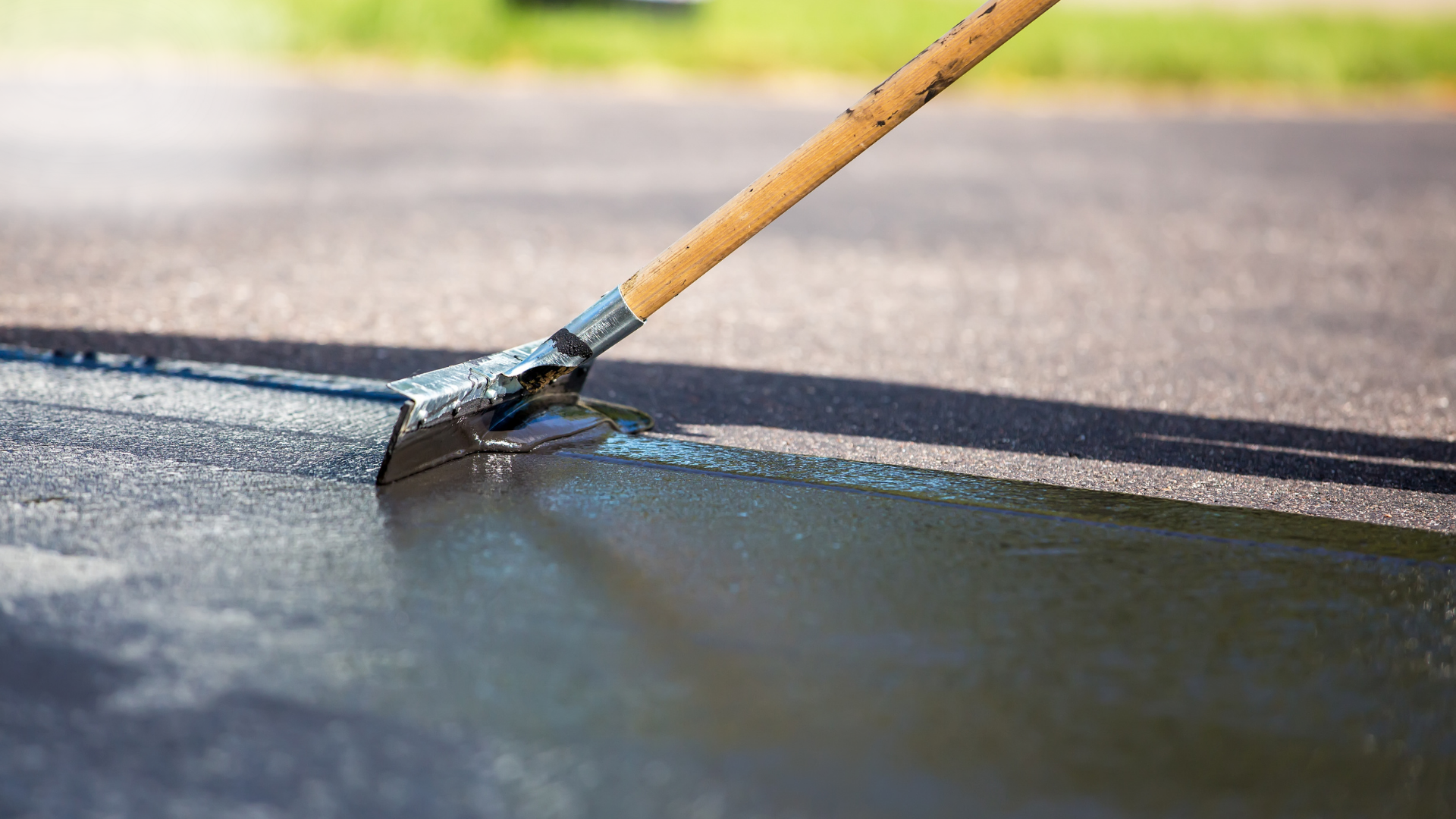
Asphalt driveways need more frequent upkeep. Sealcoating every few years protects against UV damage, oil stains, and cracking, and without it, asphalt can deteriorate noticeably faster in intense sun. Cracks also need to be filled promptly to prevent water infiltration and pothole formation.
Concrete requires less frequent maintenance overall. Occasional sealing helps protect against staining and moisture penetration, but it doesn't need resealing nearly as often as asphalt. Concrete pavers require the least ongoing maintenance of the three, since joint sand occasionally needs topping off, but there's no large surface to reseal or patch.
Cost Considerations
Asphalt paving typically costs less upfront than poured concrete, which makes it an attractive option for homeowners working with a tighter budget or larger surface areas like extended driveways or parking pads. Concrete costs more initially but often proves more cost-effective over time due to its longer lifespan and lower maintenance needs. Concrete pavers tend to sit at the higher end of the cost spectrum due to labor-intensive installation, but they offer unmatched design flexibility and the easiest long-term repairability.
Aesthetic and Resale Value
Concrete offers a clean, modern look and can be stamped, stained, or textured for a decorative finish. Concrete pavers take this further, offering a wide range of colors, patterns, and textures that can complement any home style, from traditional to contemporary. Asphalt offers a simple, uniform black finish that works well for a classic, low-maintenance look but offers far less design versatility.
From a resale perspective, concrete and paver driveways are often viewed as a premium upgrade by potential buyers, which can be a worthwhile consideration if you're planning to sell your home down the line.
So, Which Is Better for Texas Weather?
There isn't a single universal answer, since the right material depends on your priorities:
Choose concrete if you want long-term durability, better heat resistance, and lower long-term maintenance
Choose asphalt if upfront cost and flexibility with soil movement are your top priorities
Choose concrete pavers if drainage, repairability, and design customization matter most to your project
Many Houston and Austin homeowners also opt for a hybrid approach, using concrete or pavers for the main driveway and asphalt for longer secondary areas like extended parking pads, where budget stretches further.
Let PaveTec Help You Decide
Every property has different soil conditions, drainage needs, and budget considerations, and the best way to choose between concrete, asphalt, and pavers is to have a professional evaluate your specific site. At PaveTec, we help homeowners and businesses across the region select and install the right driveway material for long-term performance in Texas weather.
📍 Proudly serving Houston & Austin, TX
Not sure which option fits your property best? Let's talk it through.
📞Call us at (832) 674-3996 or contact us to schedule your free consultation.