
Preparing Your Concrete for Hurricane Season: What Houston Homeowners Should Know
For Houston homeowners, hurricane season isn't just about boarding up windows and stocking up on supplies. It's also a season that puts serious, often overlooked stress on the concrete around your home, your driveway, patio, walkways, and even your foundation. Heavy rainfall, flooding, and rapid soil saturation can accelerate existing damage and create new problems that aren't always obvious until well after the storm has passed.
Running roughly from June through November, hurricane season brings a unique combination of risks for concrete surfaces: intense, sudden downpours, prolonged ground saturation, and the kind of rapid soil movement that Houston's clay-heavy soil is already prone to. Preparing your concrete before the season ramps up can help you avoid costly repairs and protect your home's foundation from water-related damage.
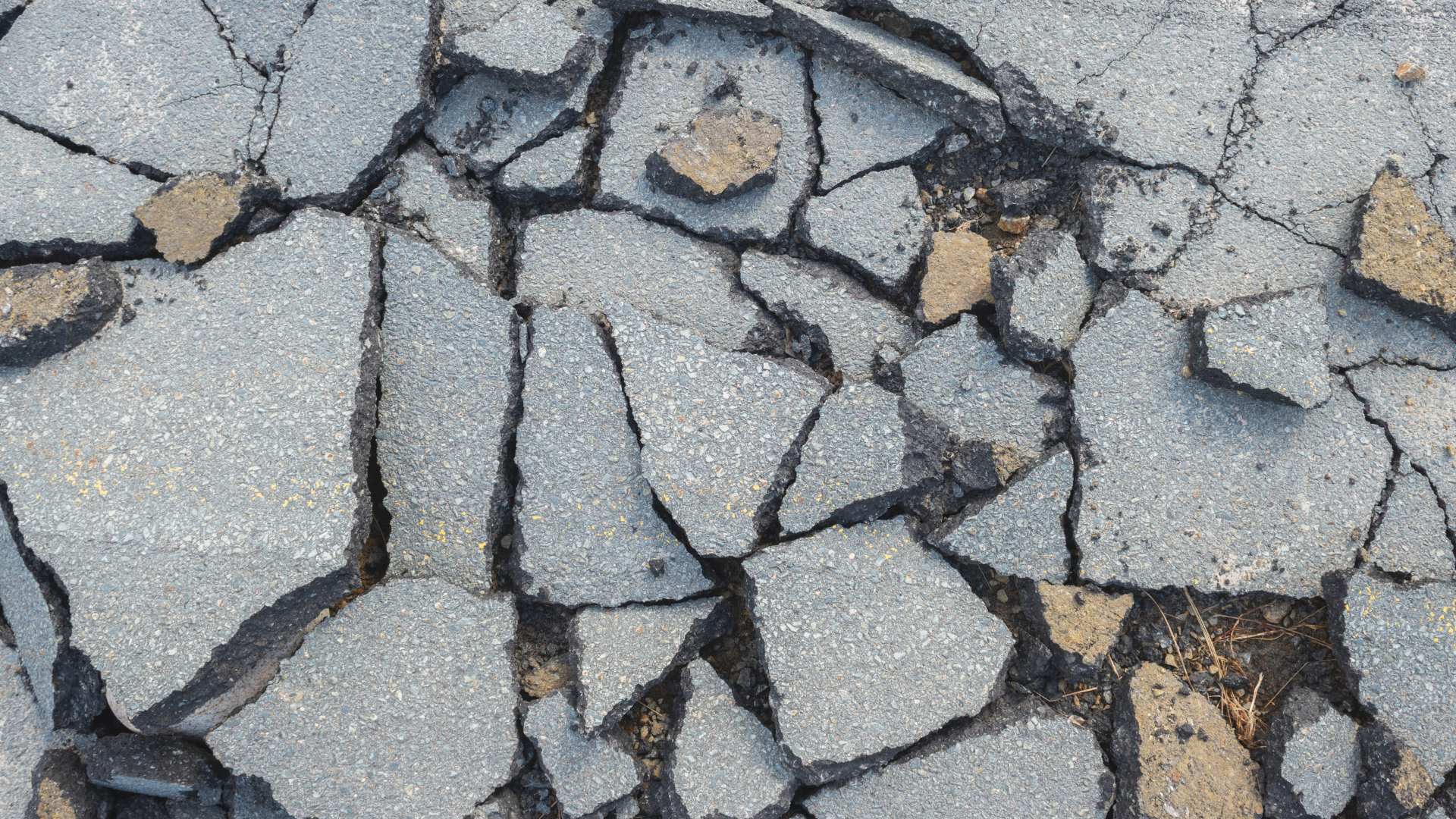
Why Concrete Is Vulnerable During Hurricane Season
Concrete itself is a durable material, but it isn't waterproof, and the ground beneath it is far more vulnerable than the slab sitting on top. During hurricane season, several risk factors combine:
Soil saturation.Houston's expansive clay soil already swells and shrinks with moisture changes throughout the year, but hurricane season pushes this to an extreme. Rapid, heavy saturation followed by drainage or drying can cause uneven settling beneath driveways, patios, and foundations.
Standing water and pooling.Existing low spots, cracks, or drainage issues become much more noticeable during heavy rain events, when water has nowhere to go and pools against your home or driveway instead of draining away.
Existing cracks widening.Any cracks that were minor before the season can rapidly worsen once water repeatedly infiltrates them during multiple storm events, especially if the ground beneath continues shifting from saturation cycles.
Erosion around slab edges. Fast-moving runoff during heavy storms can erode soil around the edges of a driveway or patio, undermining the support beneath the slab even if the concrete itself looks undamaged on the surface.
Pre-Season Concrete Inspection Checklist
Before hurricane season ramps up, walking your property with a critical eye can help catch small issues before they become bigger ones. Here's what to look for:
Cracks in the driveway, patio, or walkway.Note the size and location of any cracks, especially those near the foundation or areas where water tends to collect.
Low spots or pooling areas. Watch your driveway and patio during a normal rain to see where water pools longer than expected.
Foundation cracks.Check exterior foundation walls for new or widening cracks, particularly horizontal or stair-step patterns.
Gaps between concrete and the home. Separation between a slab and your home's exterior wall can allow water to funnel directly toward the foundation.
Drainage system function.Confirm gutters, downspouts, and any yard drainage are directing water away from concrete surfaces and the foundation rather than toward them.
If you notice any of these issues, addressing them before hurricane season begins is far more effective, and less expensive, than dealing with the aftermath of a storm that made an existing problem significantly worse.
Sealing Cracks Before the Rain Starts
One of the most impactful things a homeowner can do ahead of hurricane season is have existing cracks professionally sealed. Even small cracks act as an entry point for water, and repeated saturation during multiple storms can quickly widen them, allow soil to wash out beneath the slab, or contribute to further settling.
Crack sealing isn't just a cosmetic fix. It's a protective measure that keeps water from reaching the sub-base and soil beneath your driveway or patio, reducing the risk of erosion and uneven settling once heavy rains arrive.
Improving Drainage Around Your Property
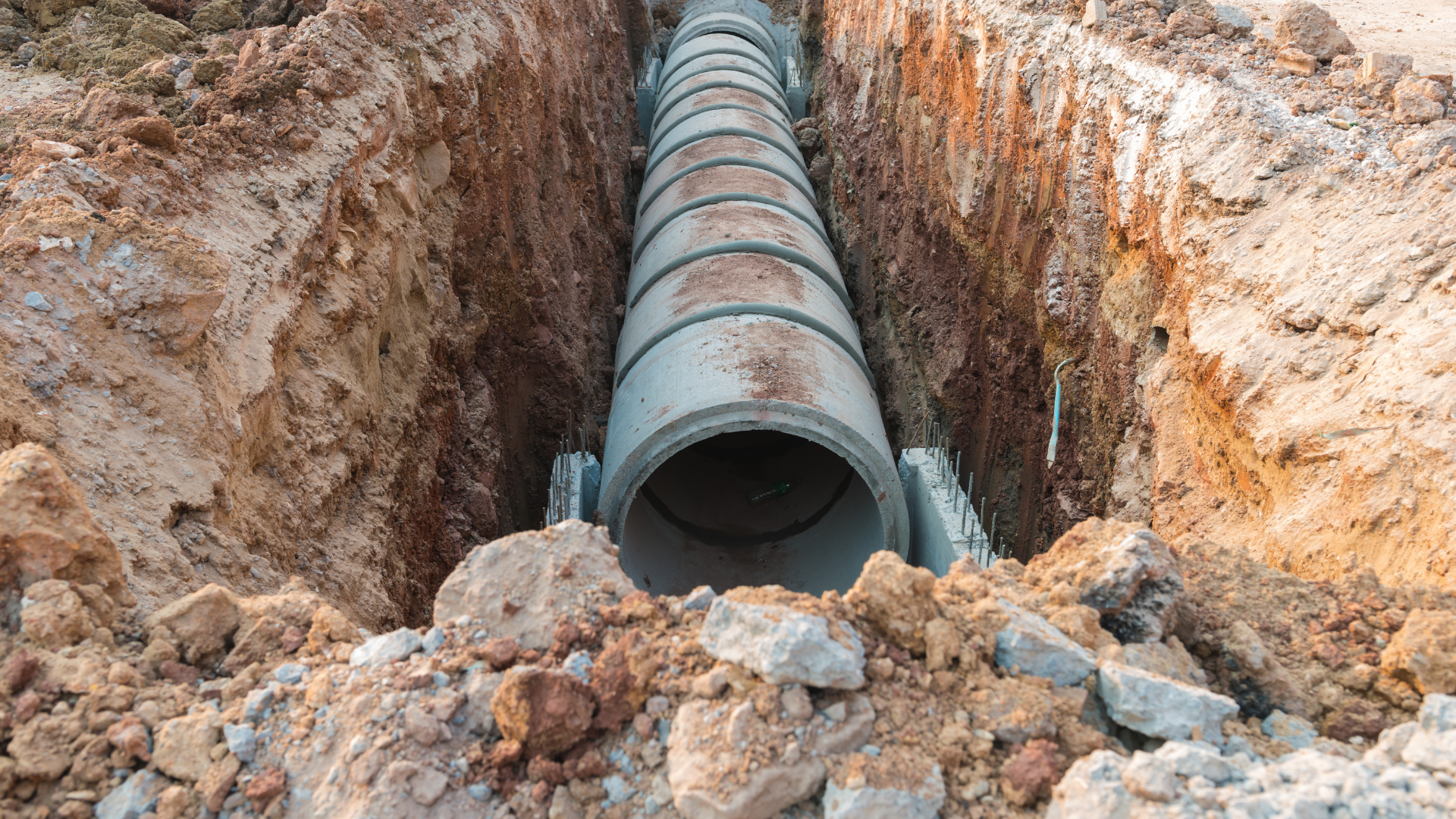
Poor drainage is one of the most common contributors to storm-related concrete and foundation damage. A few improvements worth considering before hurricane season include:
Regrading low spotsnear your driveway or foundation so water flows away from the home instead of pooling
Extending downspouts so roof runoff discharges well away from the foundation and any concrete slabs
Clearing debris from existing drainage channels, French drains, or yard swales so they function properly during heavy rain
Considering permeable options like concrete pavers for areas prone to pooling, since the joints between pavers allow water to filter through to the base rather than sitting on the surface
For homeowners with a history of drainage issues, consulting with a contractor about regrading or adding a formal drainage solution before hurricane season is a worthwhile investment.
Protecting Your Foundation Specifically
While driveways and patios are the most visible concern, your home's foundation faces the highest stakes during hurricane season. Prolonged soil saturation around the foundation increases hydrostatic pressure against foundation walls, which can worsen existing cracks or create new ones.
Homeowners should pay close attention to grading immediately around the foundation, ideally sloping away from the home for at least several feet, and address any foundation cracks before the season begins rather than waiting to see how they hold up. If you've noticed doors or windows sticking, a sign of foundation movement covered in more detail in our article on driveway and foundation repair signs, it's worth having a professional assessment done proactively rather than during or after a major storm.
What to Do After a Storm
Even with solid preparation, it's worth inspecting your concrete surfaces and foundation after any significant storm event:
Look for new cracks or noticeably widened existing ones
Check for new pooling areas or changes in how water drains across your property
Watch for soil erosion around the edges of driveways, patios, or foundation walls
Note any new gaps between concrete slabs and your home's exterior
Catching these changes early gives you the best chance of addressing minor damage with a straightforward repair, rather than letting an issue compound over the course of multiple storms throughout the season.
Concrete, Pavers, and Asphalt: Storm Resilience Differences
If you're planning a new driveway or patio installation and storm resilience is a priority, it's worth understanding how different materials respond to Houston's hurricane season conditions. Poured concrete, when properly installed with adequate grading and control joints, holds up well but relies heavily on correct drainage planning to avoid pooling. Concrete pavers offer a natural drainage advantage thanks to their permeable joints, making them a strong option for flood-prone areas of a property. Asphalt paving can be more susceptible to surface damage from prolonged standing water, particularly if drainage isn't addressed during installation, though it remains a durable option when properly maintained.
Whatever material you choose, proper installation and grading, the same fundamentals discussed in our article on Texas heat and clay soil, remain the most important factor in how well your concrete performs when hurricane season arrives.
Let PaveTec Help You Prepare
Hurricane season puts real pressure on Houston's concrete surfaces and foundations, but a proactive inspection and a few targeted repairs can make a significant difference in how your property holds up. At PaveTec, we help Houston homeowners assess drainage, seal vulnerable cracks, and reinforce driveways, patios, and foundations before storm season puts them to the test.
📍 Proudly serving Houston & Austin, TX
Want a pre-season concrete inspection before the next storm rolls in?
📞 Contact us at (832) 674-3996 or message us to schedule your free consultation.