
Foundation Repair Warning Signs Every Texas Homeowner Should Watch For
Foundation problems have a reputation for being expensive, but the homeowners who avoid the biggest bills are almost always the ones who caught the warning signs early. In Texas, where expansive clay soil and dramatic swings between drought and heavy rainfall put constant pressure on a home's foundation, knowing what to look for, both outside and inside your home, can make the difference between a manageable repair and a major structural project.
This guide focuses specifically on foundation warning signs, going beyond the exterior cracks most homeowners already know to watch for and covering the interior clues, seasonal patterns, and foundation types unique to this region that often go unnoticed until a problem has already progressed.
Why Texas Foundations Face Unique Challenges
Much of Houston and Austin sits on expansive clay soil, which swells significantly when saturated and shrinks dramatically during dry periods. That constant volume change puts uneven pressure on a home's foundation year-round, which is why foundation issues tend to be more common and appear earlier in Texas than in regions with more stable soil conditions.
Two Common Foundation Types in Texas Homes
Slab-on-grade foundations are the most common foundation type in Texas, particularly in newer construction. Because the home's structure sits directly on a concrete slab poured over the ground, these foundations are especially sensitive to soil movement beneath them, and warning signs often show up as cracking, unevenness, or interior wall and floor issues.
Pier-and-beam foundations, more common in older homes, elevate the structure above the ground on a system of piers and beams with a crawl space underneath. While this design offers somewhat more flexibility with soil movement, it comes with its own warning signs, including sagging or bouncy floors, gaps between interior walls and flooring, and visible movement or settling in the crawl space itself.
Knowing which type of foundation your home has helps you understand which warning signs are most relevant to watch for.
Exterior Warning Signs to Watch For
Many homeowners are already familiar with basic exterior cracking, but a few specific patterns deserve closer attention:
Stair-step cracks in brick or block. These diagonal, step-like cracks running through mortar joints are one of the more reliable indicators of foundation movement, as opposed to simple cosmetic settling.
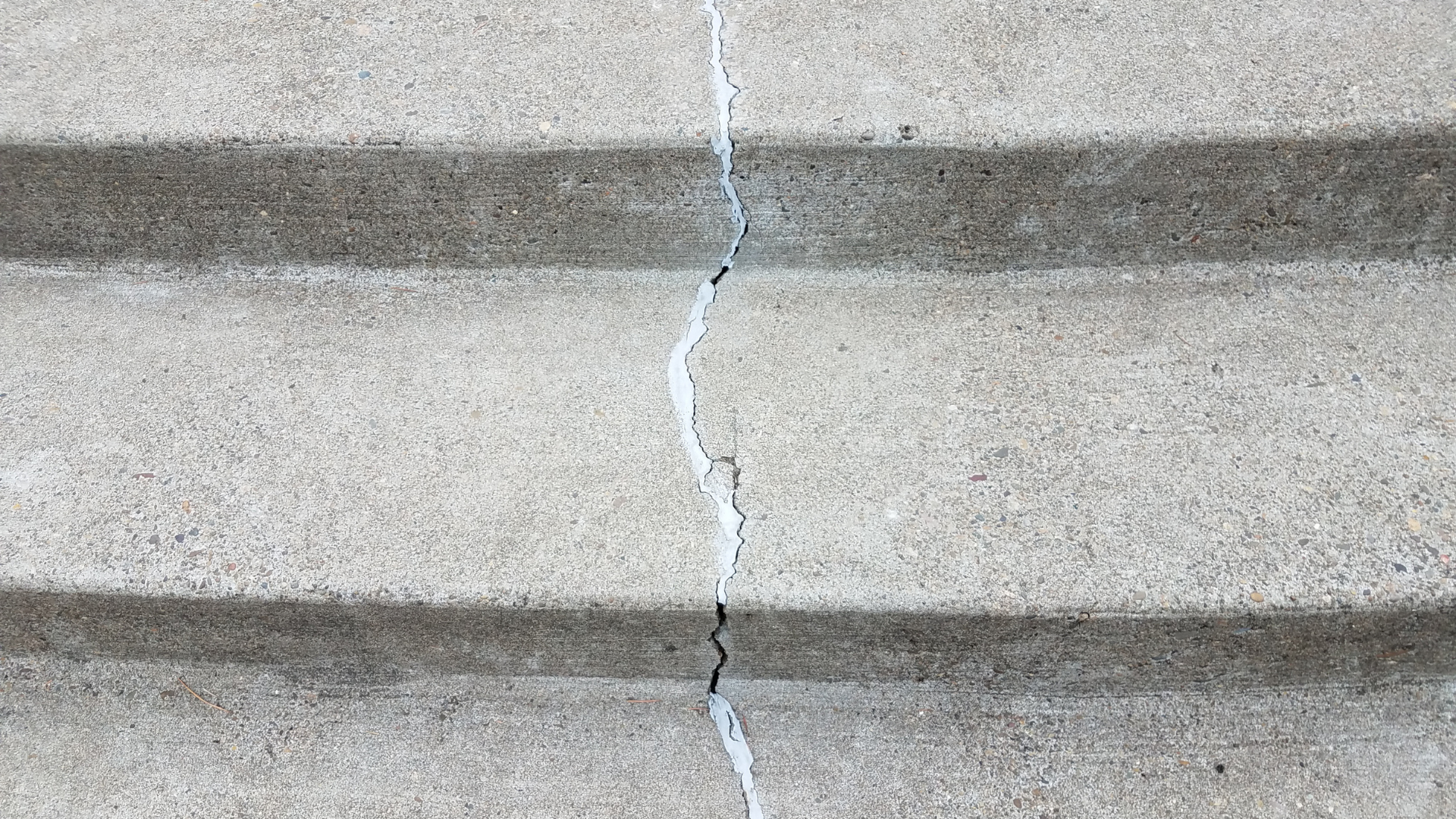
Horizontal cracks in foundation walls. Unlike vertical hairline cracks, which are often normal, horizontal cracking can indicate significant pressure against the foundation wall and typically warrants a professional evaluation sooner rather than later.
Cracks wider than an eighth of an inch, or cracks that continue to grow over weeks or months, rather than staying the same size.
Separation between the foundation and attached structures, such as a porch, steps, or chimney pulling away from the main structure.
Visible bowing in foundation or basement walls, though less common in Texas's typical slab construction, can appear in homes with partial basements or retaining elements.
Interior Warning Signs Homeowners Often Miss
Interior clues are frequently overlooked because they don't immediately register as a foundation issue, they often just look like normal wear and tear. But several interior patterns are worth paying close attention to:
Cracks in drywall, especially at the corners of doors and windows. These diagonal cracks radiating from door and window frames are one of the most common early interior indicators of foundation movement.
Uneven or sloping floors. A simple test many homeowners use is placing a marble or small ball on the floor to see if it consistently rolls in one direction, which can indicate the slab has shifted or settled unevenly.
Gaps between walls and ceiling or floor molding. Small separations that weren't there before, particularly if they appear along an entire wall rather than a small isolated spot, often point to structural movement rather than normal home settling.
Doors and windows that stick, no longer latch properly, or show visible gaps around the frame. As covered briefly in our article on common driveway and foundation warning signs, this happens when foundation movement subtly alters the shape of the home's frame over time.
Cracks around fireplaces or chimneys, especially where the chimney structure appears to be separating slightly from the adjoining wall.
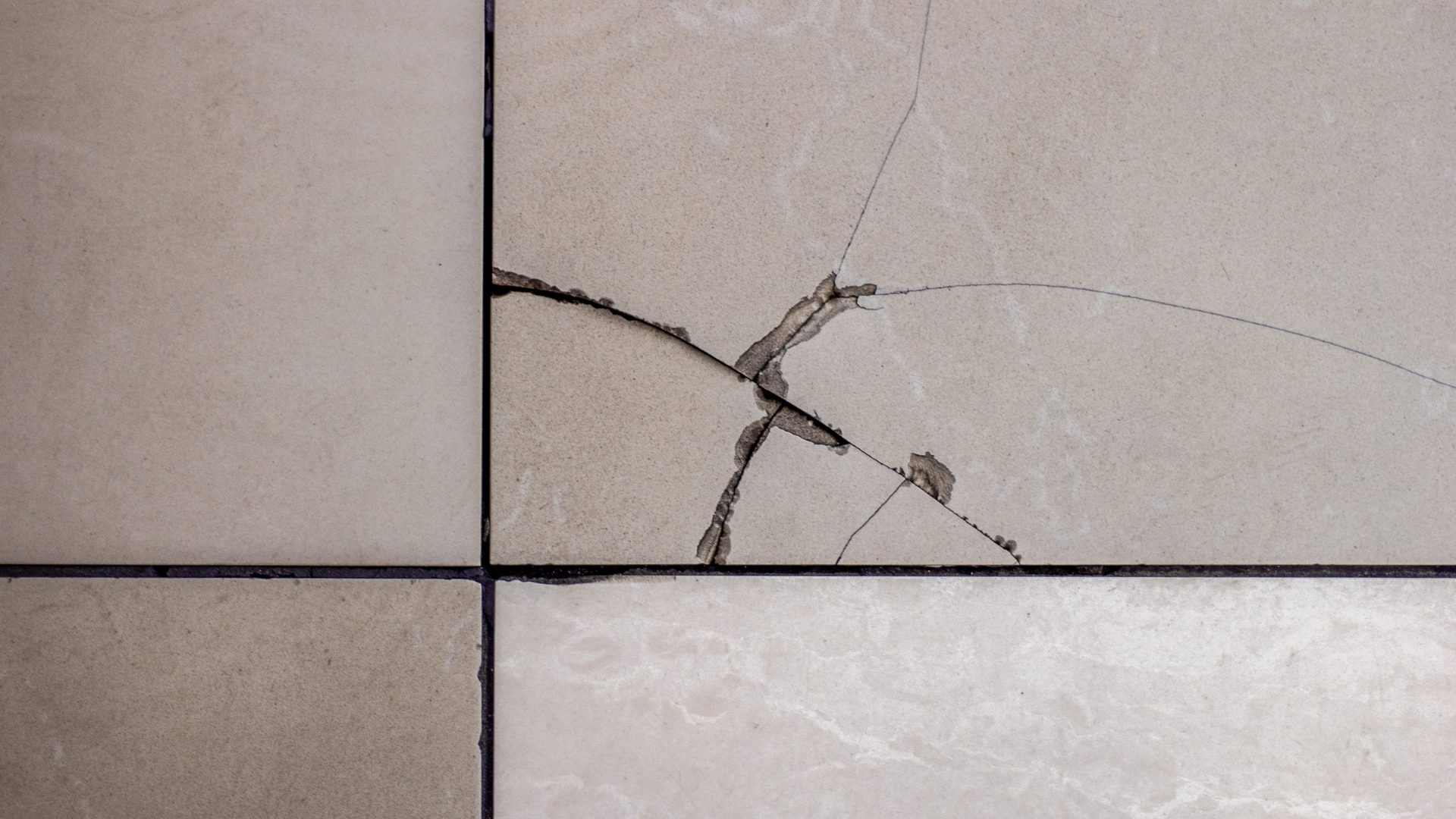
Cracked tile or separating countertops and cabinetry, particularly along seams where two sections meet, which can indicate the underlying slab has shifted.
Plumbing-Related Signs Specific to Slab Foundations
Because slab foundations often have plumbing lines running beneath or through the concrete, foundation movement can sometimes create or worsen plumbing issues, and plumbing issues can, in some cases, contribute to foundation problems. Watch for:
Musty odors or unexplained damp spots on flooring, particularly on slab foundations
Unusually high water bills without an obvious explanation
Warm spots on the floor, which can sometimes indicate a hot water line leak beneath the slab
If you notice these signs alongside cracking or unevenness elsewhere in the home, it's worth having both a foundation specialist and a plumber evaluate the situation, since the two issues are sometimes connected.
Normal Settling vs. a Serious Structural Issue
Not every crack means a major problem. Nearly all homes experience some minor settling in the first few years after construction, and small, stable hairline cracks are often considered a normal part of that process. The distinction that matters most is whether a crack is:
Growing or widening over time, versus staying the same size
Diagonal or horizontal, which tend to indicate more significant movement than simple vertical hairline cracks
Accompanied by other signs, such as sticking doors, sloping floors, or gaps in molding, rather than appearing in isolation
Tracking a crack's size and appearance over a few months, even with a simple photo taken periodically, can help you and a foundation professional determine whether it's stable or actively progressing.
The Drought-to-Rain Pattern Worth Watching
One pattern specific to Texas is worth understanding on its own: foundation issues often become noticeable or worsen following an extended drought that's then broken by heavy rainfall. During drought, clay soil shrinks and pulls away from the foundation, sometimes creating gaps beneath the slab. When heavy rain follows, the soil rapidly reabsorbs moisture and swells, sometimes unevenly, putting sudden new pressure on the foundation.
Homeowners who notice new or worsening cracks shortly after a dry summer transitions into a rainy fall shouldn't assume it's a coincidence. This seasonal pattern is common enough in Texas that many foundation specialists watch for exactly this cycle when evaluating a property.
When to Call a Professional
If you notice one or two minor, stable signs, monitoring over the next several weeks is often a reasonable first step. However, it's worth scheduling a professional evaluation if you notice:
Multiple warning signs appearing at the same time
Cracks that are visibly growing
Structural signs following a drought-to-rain transition
Any sign involving noticeable floor slope, door misalignment, or plumbing changes alongside cracking
A foundation specialist can assess whether an issue is cosmetic settling or a structural concern requiring repair.
Common Foundation Repair Methods
Depending on the severity and cause of the issue, foundation repair typically involves one or more of the following approaches:
Piering or underpinning, where steel or concrete piers are driven beneath the foundation to stabilize and, in some cases, lift settled areas back toward their original position.
Slab jacking or polyurethane foam injection, used to lift and stabilize sunken slab sections by filling voids beneath the concrete.
Drainage correction, addressing the root cause of soil moisture imbalance by improving grading, gutters, or French drain systems around the foundation.
Root barrier installation, in cases where nearby tree roots are contributing to soil moisture extraction near the foundation.
Prevention Tips for Texas Homeowners
Maintain consistent soil moisture around your foundation during drought periods using a soaker hose, which helps reduce the extreme shrink-swell cycle common in Texas clay soil
Keep gutters and downspouts clear and directing water well away from the foundation
Grade soil away from the home, addressing any low spots that allow water to collect near the foundation perimeter
Monitor cracks periodically, especially after seasonal transitions from drought to heavy rain
Trust Pavetec for Foundation Evaluations and Repair
Catching foundation warning signs early, both inside and outside your home, gives you far more options and a much more manageable repair process. At Pavetec, we help Texas homeowners evaluate foundation concerns and provide the repair solutions needed to protect their home's structural integrity for the long term.
📍 Proudly serving Houston & Austin, TX
Noticing cracks, sticking doors, or uneven floors in your home?
📞 Contact us at (832) 674-3996or message us to schedule your free foundation evaluation.