
HOA Rules on Driveways & Patios in Austin Neighborhoods (What to Check First)
If you live in a planned community or HOA-governed neighborhood in Austin, deciding to install a new driveway, resurface an existing one, or add a patio isn't as simple as choosing a material and calling a contractor. Many Austin neighborhoods, especially newer master-planned communities, have specific rules around exterior modifications, and driveways and patios are almost always included.
Skipping this step can lead to fines, forced removal of completed work, or delays that push your project back by months. Before you get quotes or pick a material, it's worth understanding exactly what your HOA typically reviews, what documentation you'll likely need, and how to avoid the most common approval delays homeowners run into.
Why HOAs Regulate Driveways and Patios in the First Place
HOAs generally aren't trying to make homeowners jump through unnecessary hoops. Most driveway and patio guidelines exist for a few practical reasons:
Consistency across the neighborhood. Many communities want a cohesive look, particularly for anything visible from the street, which is why front-facing driveways often face stricter rules than backyard patios.
Drainage and shared infrastructure protection. Poorly planned concrete or paving work can redirect water onto neighboring properties or into shared drainage systems, which is a common concern HOAs specifically screen for.
Property value considerations. Since driveways and patios are visible, permanent additions, HOAs often want to ensure new installations align with community standards that support consistent home values.
Tree and easement protection. In many Austin communities, mature trees and utility easements run close to driveways, and HOAs may have specific requirements to prevent root damage or easement conflicts during installation.
Step One: Review Your CC&Rs and Architectural Guidelines
Before contacting a contractor, start with your community's Covenants, Conditions & Restrictions (CC&Rs) and any separate architectural guidelines document, which is often more detailed and specific than the CC&Rs themselves. These documents typically outline:
Approved materials for driveways and patios
Whether decorative concrete, pavers, or asphalt are permitted, restricted, or require special approval
Color and finish restrictions, especially for anything visible from the street
Setback requirements from property lines
Size limitations for patio expansions or driveway widening
If you can't locate these documents, most HOA management companies can provide them upon request, and many communities also post them in an online homeowner portal.
Step Two: Submit to the Architectural Review Committee (ARC)
Nearly every HOA in Austin requires driveway and patio projects to go through an Architectural Review Committee, sometimes called a Design Review Board, before work begins. This process typically requires:
A written description of the project, including material, dimensions, and scope
Site plans or sketches showing the location and size of the proposed driveway or patio
Material samples or specifications, particularly for color and finish
Contractor information, since some HOAs maintain a list of pre-approved or vetted contractors
Approval timelines vary widely between communities, ranging from a couple of weeks to over a month, so it's worth submitting your request well before your intended project start date. Rushing this step, or skipping it entirely, is one of the most common reasons homeowners face costly delays or forced corrections after work has already been completed.
Common Material and Design Restrictions to Expect
Material rules tend to be one of the more detailed sections of most Austin HOA guidelines, and they vary significantly by community. A few patterns show up frequently:
Decorative or stamped concrete is often welcomed or even encouraged in higher-end communities, since it offers a more upscale, customizable look that aligns with broader neighborhood aesthetics.
Concrete pavers are frequently approved and, in some communities, specifically preferred for patios and walkways due to their design flexibility and ability to match approved color palettes. Pavers also tend to align well with permeable surface requirements some HOAs include for drainage-sensitive areas.
Plain gray concrete is usually acceptable for standard driveways, though some communities require a minimum finish quality or border treatment for a more polished appearance.

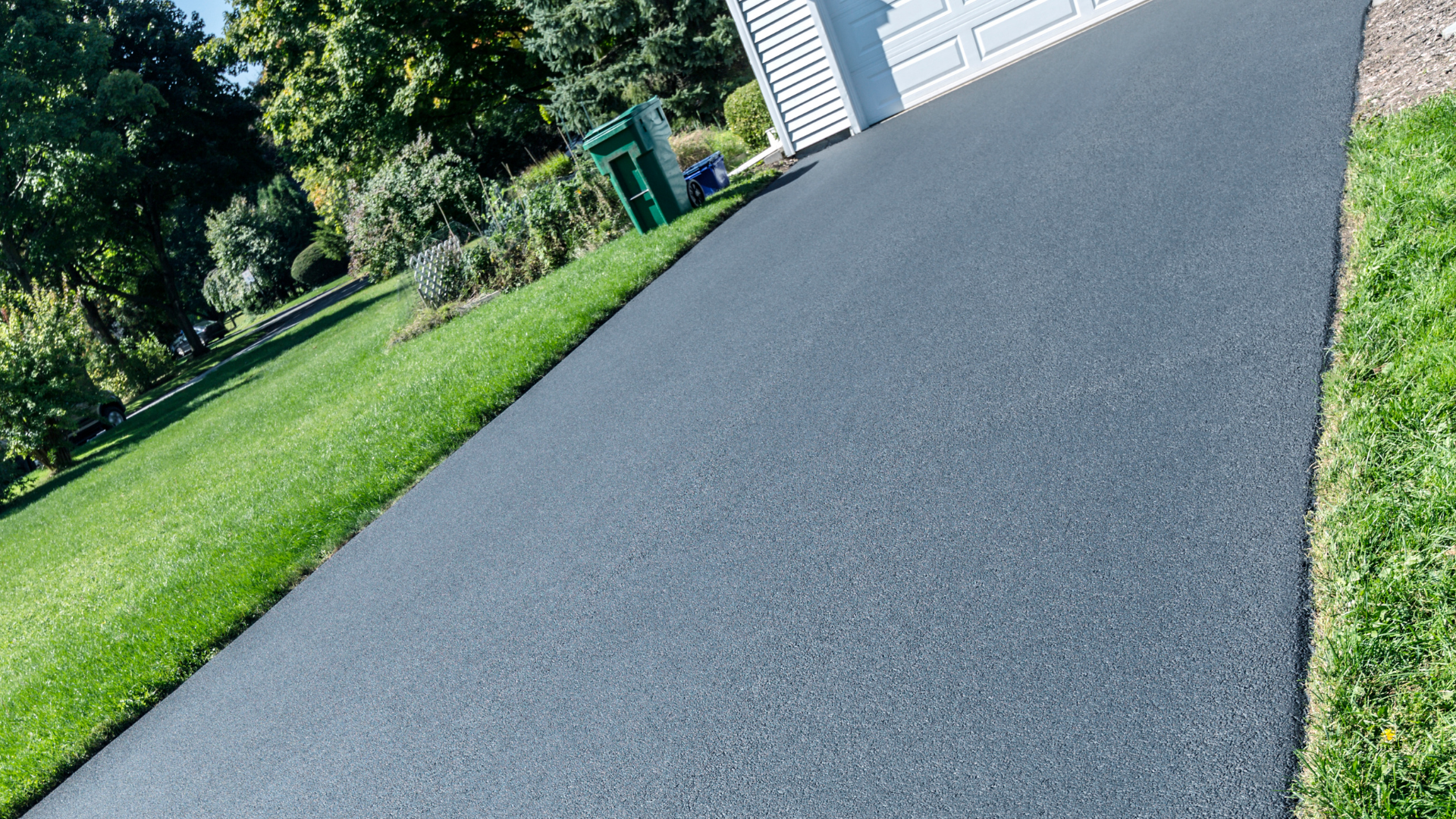
Asphalt is less commonly approved for front-facing residential driveways in many Austin HOA communities, particularly newer or higher-end developments, due to aesthetic preferences, though it may be permitted in certain sections of a community or for specific home types. Always confirm asphalt's status directly with your HOA rather than assuming it's covered under general driveway guidelines.
Drainage Requirements Are Almost Always Included
Because water runoff affects neighboring properties and shared community infrastructure, drainage requirements are a near-universal part of Austin HOA driveway and patio guidelines. Expect your submission to be reviewed for:
Proper grading that directs water away from neighboring lots
Compliance with any community-wide stormwater management plan
Restrictions on impervious surface coverage, which some Austin communities cap as a percentage of total lot size, particularly relevant for larger patio expansions
This is also where the City of Austin's own permitting requirements can come into play separately from HOA approval, since impervious cover limits are regulated at the city level in many areas. A qualified contractor familiar with both HOA and city requirements can help you confirm your project meets both sets of rules before work begins.
Don't Forget City Permits, HOA Approval Isn't the Only Step
It's a common misconception that HOA approval is the only clearance needed before starting a driveway or patio project. In reality, the City of Austin may require its own permit depending on the scope of work, particularly for larger patio additions, changes that affect impervious cover calculations, or work near utility easements.
HOA approval and city permitting are separate processes, and completing one doesn't automatically satisfy the other. Confirming both requirements upfront prevents a scenario where a project is fully HOA-approved but still noncompliant at the city level.
What Happens If You Skip Approval
Installing a driveway or patio without going through the proper HOA process can lead to real consequences, including:
Fines, which some HOAs assess as a one-time penalty or an ongoing charge until the issue is resolved
Forced modification or removal, requiring the homeowner to redo the work to meet approved standards at their own expense
Delays in home resale, since unresolved HOA violations often surface during the closing process and can complicate a sale
Given these risks, the relatively small time investment of reviewing guidelines and submitting an ARC request upfront is almost always worth it compared to the cost and stress of correcting unapproved work later.
Tips for a Smoother Approval Process
Request guidelines early, even before requesting quotes, so your contractor can design around approved materials and dimensions from the start
Include detailed documentation in your ARC submission, vague descriptions are one of the most common reasons for delayed or rejected requests
Ask your contractor about HOA experience, since a contractor familiar with local Austin community requirements can often anticipate committee concerns before they become delays
Confirm both HOA and city requirements before finalizing your project scope, particularly for larger patio or driveway expansions
Let PaveTec Help You Navigate the Process
Between HOA architectural review, material restrictions, drainage requirements, and city permitting, planning a compliant driveway or patio project in an Austin community involves more steps than most homeowners expect. At PaveTec, we regularly work within HOA guidelines across Austin neighborhoods and can help provide the material specifications, plans, and documentation needed for a smooth ARC submission, whether your project involves concrete, concrete pavers, or asphalt.
📍 Proudly serving Houston & Austin, TX
Planning a driveway or patio project in an HOA community? Let's help you get it approved and installed right.
📞 Contact us at (832) 674-3996 or message us to schedule your free consultation.